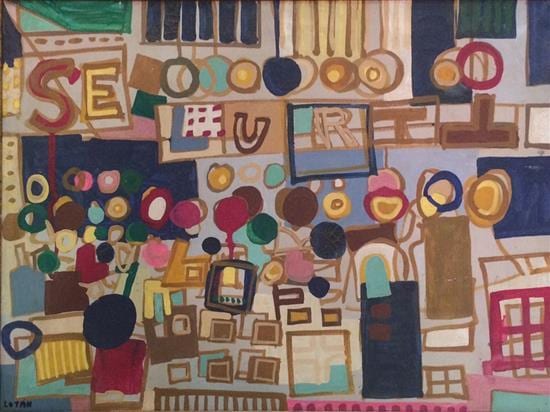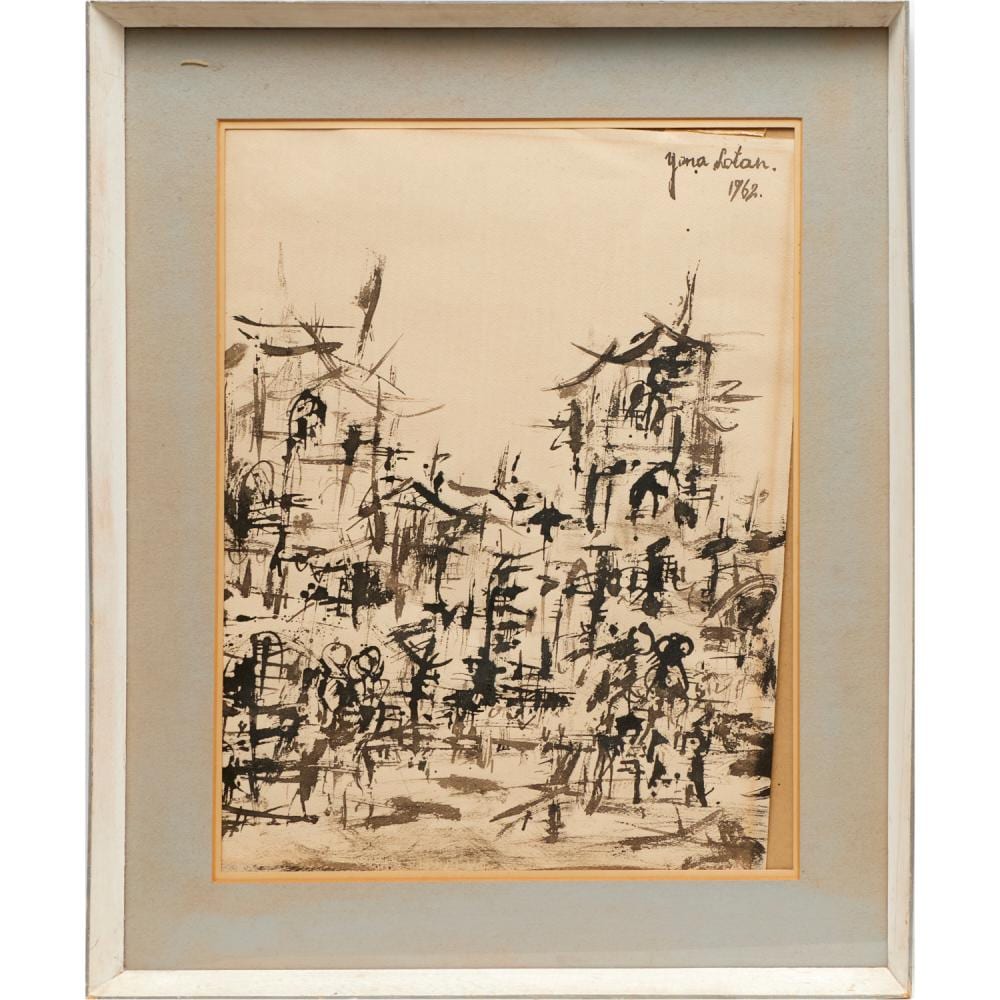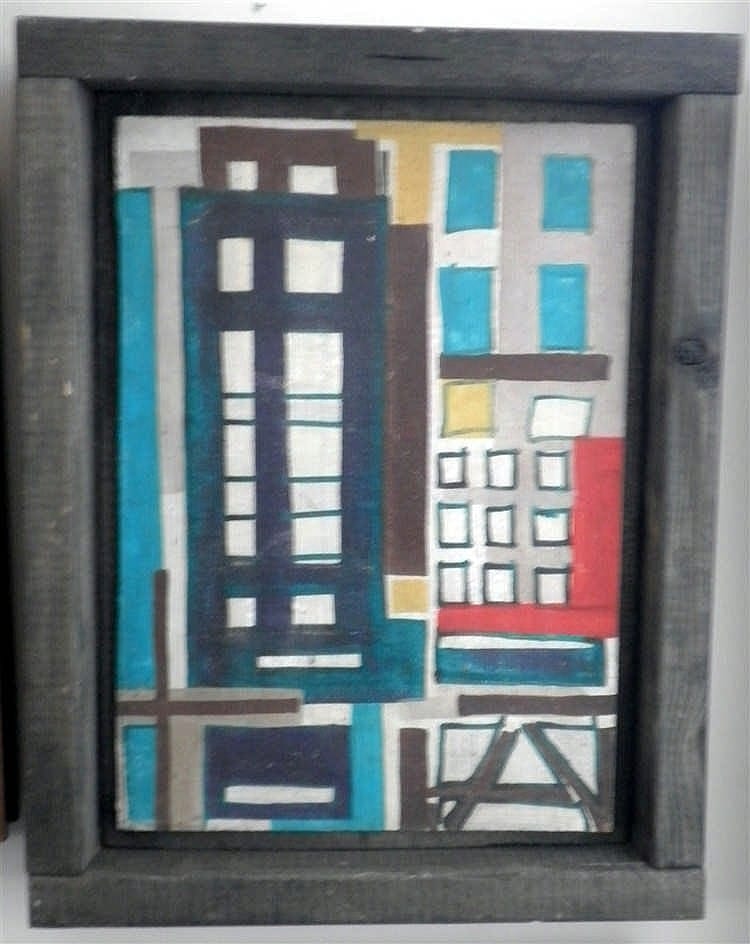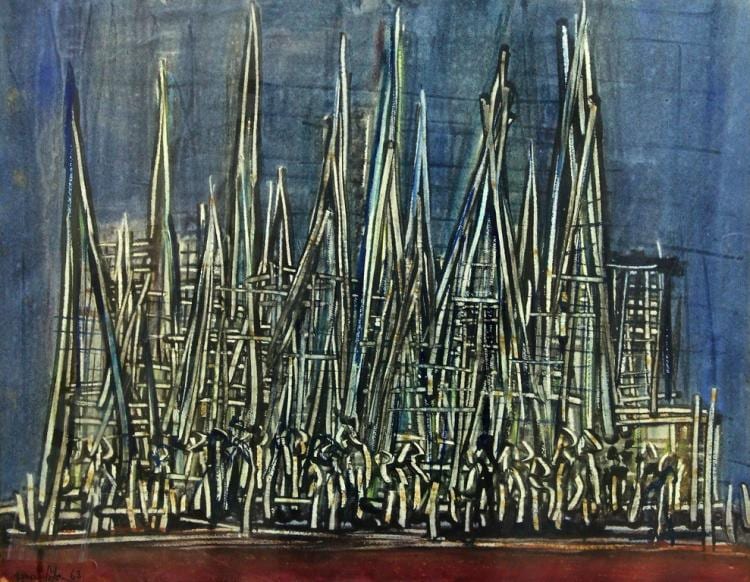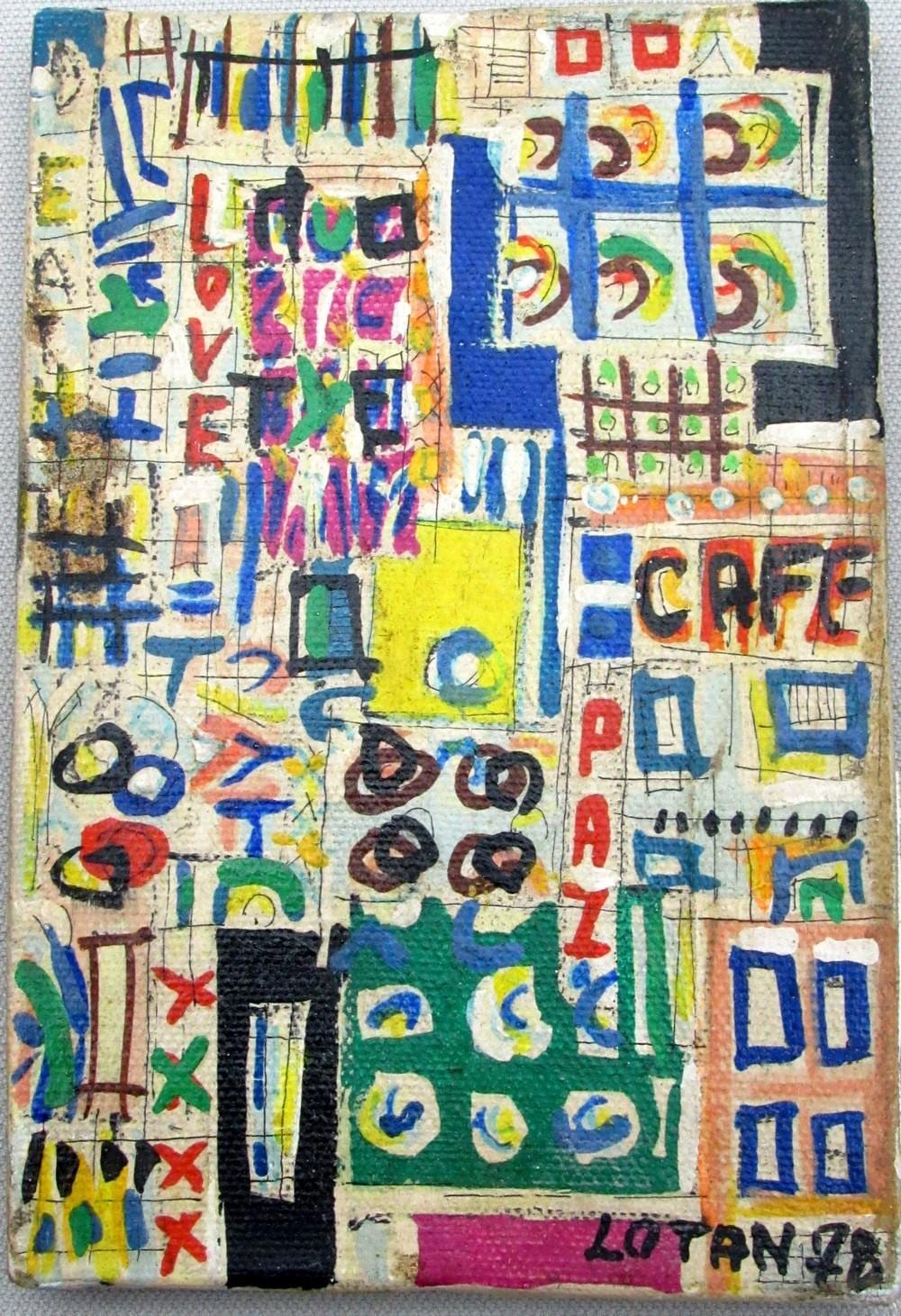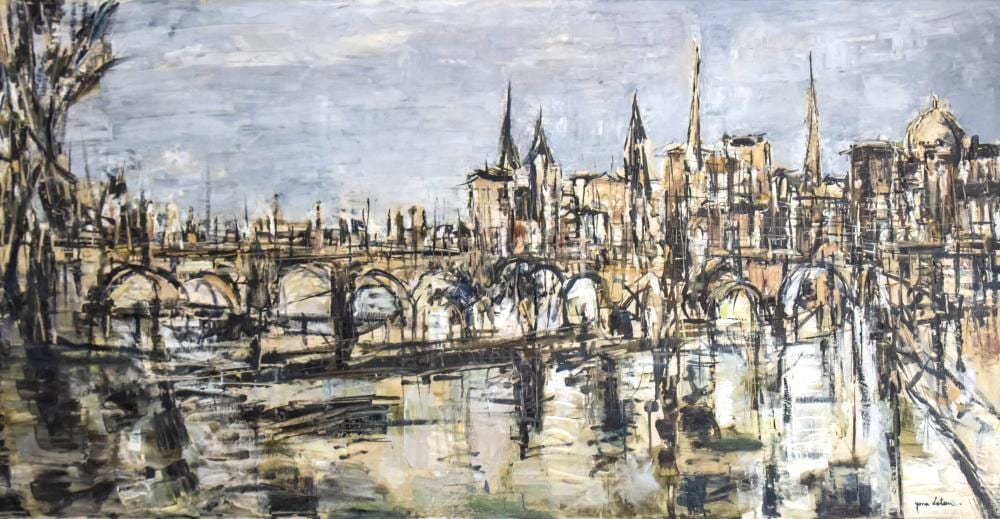
Yona Lotan 1926 Ussr 1998 Israel Original Painting: appraisal and value basics
Yona Lotan 1926 Ussr 1998 Israel Original Painting research should start with identification, condition, provenance, and item-specific market evidence. Use this guide to compare the signals that matter before paying for a formal appraisal or deciding whether to sell.
Yona Lotan painting checklist
Interest in mid-20th-century Israeli art has been steadily rising, and works attributed to Yona Lotan (1926 USSR – 1998 Israel) surface periodically in galleries, auctions, and online marketplaces. For collectors and appraisers, the challenge is twofold: verifying originality and pinning down a fair market value in a niche with limited published documentation. This guide provides a practical, methodical approach to identifying, assessing, and valuing an original painting by Yona Lotan.
Context: Yona Lotan and the Israeli Art Market
Attribution lines such as “Yona Lotan (1926 USSR – 1998 Israel)” typically indicate an émigré artist active in Israel during the mid-to-late 20th century. Publicly accessible records on Lotan are comparatively limited; as a result, market entries can vary in detail, and biographical notes may be inconsistent. That scarcity of information does not negate value, but it does make due diligence essential.
For appraisal purposes, treat Lotan as a mid-century/late-century Israeli painter whose work, if documented, will be contextualized by:
- Medium and materials common from the 1950s–1990s (oil, acrylic, watercolor, gouache, pastel).
- Availability of art supplies in Israel and Europe during that period (e.g., acrylics becoming common post-1950s, metric canvas sizes).
- Exhibition and gallery networks focused on Israeli and diaspora artists.
- Comparables among contemporaneous Israeli painters of similar recognition tiers.
Because a comprehensive catalogue raisonné for Lotan is not widely cited, appraisers rely on triangulating auction records, exhibition catalogues, gallery labels, and primary-source provenance documents. Consistency across those signals is key.
Authenticating an Original Yona Lotan Painting
The originality process moves from macro to micro: subject and style, materials and construction, signatures and inscriptions, labels and stamps, and finally, technical testing when warranted.
- Subject and stylistic consistency
- Assemble a reference set of documented images (from reputable auction archives, museum holdings, or established galleries). Note recurring subjects, compositional habits, palette, and brushwork.
- Compare the candidate work’s handling of light, edges, and layering to the reference set. Look for idiosyncrasies: the way figures are outlined, how foliage or architecture is simplified, or typical horizon placement.
- Beware “style-matching by feel.” Surface-level similarities can be persuasive; focus on consistent micro-features in brushwork and color transitions.
- Medium, support, and construction
- Canvas and stretcher: Mid-to-late 20th-century Israeli paintings often use metric-sized canvases and stretchers. Staples on the reverse are common after mid-century; early or reused stretchers may be nailed. Look for corner keys in stretchers; their presence is normal. Assess aging patterns: natural oxidation of tacks or staples, accumulated edge dust, and stretcher shadow.
- Paper: For works on paper (watercolor, gouache, pastel), check paper weight, composition (rag vs wood pulp), and any watermarks. Paper from the 1960s–1990s may show mild lignin-related toning if not archival.
- Paint: Acrylic became widely used from the late 1950s onward; oils remain common across the period. Inspect drying cracks (oil craquelure tends to be different from acrylic micro-cracking), gloss variation, and pigment granulation.
- Signature, inscriptions, and dating
- Signature placement and medium should feel integrated: a signature in a different, fresher medium (e.g., modern marker over aged varnish) is suspect.
- Expect variability in signature forms: Latin letters, Hebrew, or Cyrillic influences are plausible given the artist’s background and audience. Document known variants from reliable sources.
- Dates and inscriptions should align with materials. Acrylics paired with a 1940s date would require extra scrutiny. Confirm whether the date appears contemporaneous or added later.
- Labels, stamps, and framing evidence
- Gallery labels, exhibition stickers, customs stamps, and framers’ labels can be invaluable. Check that addresses and typography match the purported time window.
- Frames can be swapped. A period-consistent frame is helpful but not proof; conversely, a recent frame does not invalidate the work.
- Technical analysis (when the stakes justify it)
- UV light: Look for overpaint, later signatures, and varnish irregularities. Newer retouch may fluoresce differently.
- Infrared reflectography: Useful if you suspect underdrawing or compositional changes that align with the artist’s habits.
- Pigment/binder analysis (XRF, FTIR): Optional for high-value cases; can detect anachronistic materials.
Compile all observations into a coherent originality narrative. Gaps are acceptable; contradictions rarely are.
Building Provenance That Holds Up
Provenance can make or break value, especially for artists with limited published literature. The goal is a verifiable chain of ownership and, ideally, exhibition history.
Stronger provenance elements include:
- Original bills of sale from recognized galleries or dealers.
- Exhibition catalogues listing the specific work (title, date, dimensions, medium).
- Museum or institution deaccession documents.
- Dated correspondence with the artist, studio, or estate (if extant).
- Early photographs showing the work in situ (with identifiable dates/contexts).
When reviewing provenance:
- Cross-verify names, addresses, and dates with public records. Confirm that a gallery existed at the time claimed.
- Match dimensions exactly across documents. Conversions between inches and centimeters must reconcile.
- Watch for vague language (“acquired from a private collection”) without corroborating records. Not a dealbreaker, but it lowers confidence.
- Treat “Certificates of Originality” cautiously. A COA is only as strong as the issuer’s credibility and the detail it contains (full description, image, date, signature, contact).
Condition and Conservation: How They Affect Value
Condition can shift value significantly—sometimes more than authorship tiers at this market level.
Common issues in mid/late-20th-century works:
- Varnish yellowing (oils): Reduces tonal range; professional cleaning can restore balance.
- Surface grime and nicotine staining: A reversible issue when handled by a trained conservator.
- Abrasion along frame edges: Expect some wear; heavy abrasion disrupts value.
- Canvas slack or stretcher bar imprint: Often solvable (re-stretching, humidification).
- Overpaint and amateur restorations: Particularly damaging; removal is time-consuming and risky.
- Works on paper: Acidic mounts, tape stains, foxing, and light fading. Conservation-grade matting and glazing (UV-filtering) are crucial.
Typical conservation costs (ballpark ranges vary by region and scope):
- Surface cleaning (oil/acrylic on canvas): modest to moderate fees depending on size/soiling.
- Varnish removal/reapplication: moderate; factor in solvent tests.
- Tear mends and infills: can be significant if large or complex.
- Paper deacidification and mounting correction: moderate; price rises with size and severity.
Document all conservation steps. Transparently handled, quality restoration can stabilize and even improve market perception; concealed or poor restoration will depress value.
Valuation and Market Strategy
With originality and condition clarified, valuation hinges on comparables, medium, size, date, and subject.
Selecting comparables:
- Match medium first (e.g., oil on canvas vs watercolor on paper).
- Size matters: use size-adjusted analysis (price per square inch/centimeter) with caution; quality and subject override pure area metrics.
- Prefer dated works close in time to your piece; adjust for changes in the artist’s recognition.
- Look for sales within the last 5–10 years from reputable auctions or established dealers, noting premium-included prices where applicable.
Price tendencies to consider:
- Works on paper generally trade below oils/acrylics on canvas.
- Iconic or desirable subjects command a premium; lesser or atypical subjects lag.
- Fresh-to-market works with solid provenance outperform frequently circulated lots.
- Regional dynamics: Israeli art often achieves stronger bidding in markets with active Israeli art specialists and diaspora collectors.
Selling venue options:
- Specialized auctions: Good for liquidity and visibility; fees reduce net proceeds but can set a credible public benchmark.
- Dealers/galleries: Potentially higher asking prices for quality works; slower sales and negotiation are common.
- Private sales: Discreet and flexible; ensure robust documentation and an agreed condition report.
When quoting value, clarify the premise:
- Fair Market Value (FMV): Price between a willing buyer and seller in an open market, neither compelled, both informed.
- Retail Replacement Value (RRV): Higher, meant for insurance; reflects cost to replace via a dealer within a reasonable time.
Red Flags and Common Pitfalls
- Vague attributions: “In the manner of,” “circle of,” or “attributed to” indicate uncertainty that should be reflected in price.
- Suspicious signatures: Fresh ink or paint atop aged varnish, uniform line width from a modern marker, or signatures inconsistent with known examples.
- Misidentified prints: Offset lithographs or modern giclées presented as original paintings. Look for pixel patterning (for inkjet), uniform dot structure (offset), and lack of texture from brushwork.
- Overly generic COAs: Certificates without detailed descriptions, images, or verifiable issuer credentials add little value.
- Unrealistic dating: Techniques or materials that postdate the artist’s death or predate the availability of a medium without explanation.
Practical Checklist: Appraising a Yona Lotan Original
- Assemble at least 6–10 images of documented Lotan works for stylistic comparison.
- Verify medium and support; confirm that materials align with the purported date.
- Examine the signature under magnification; check integration with paint layers.
- Record all labels, stamps, and frame or stretcher details with high-resolution photos.
- Map a provenance timeline; verify each link with independent records where possible.
- Commission a condition report from a qualified conservator, including UV examination.
- Identify 5–8 recent, relevant comparables matched by medium, size, date, and subject.
- Determine the valuation premise (FMV vs RRV) and document adjustments (condition, provenance).
- If risk or value is high, consider technical testing (UV/IR, pigment analysis).
- Decide on a sales/holding strategy and prepare a complete dossier for prospective buyers.
FAQ
Q: How can I quickly tell if I’m looking at a print rather than an original painting? A: Use a 10x loupe. Originals show varied brush texture, impasto ridges, and irregular edges in strokes. Prints reveal uniform dot or pixel patterns and flat, even surfaces. Check paper edges for plate marks (intaglio) or screen overlap (serigraph). On canvas, look for pooled paint in the weave—absent in most prints.
Q: Is a Certificate of Originality enough to establish value? A: Only if the issuer is recognized and the certificate is detailed (full description, image, dimensions, medium, date, and signature). Pair any COA with stylistic analysis, provenance documents, and, when warranted, technical review.
Q: The painting is unsigned. Is it still worth appraising? A: Yes. Some works were exhibited or sold without signatures or with inscriptions on the reverse. Strong provenance, exhibition history, and stylistic alignment can support attribution, though unsigned status typically reduces value and increases risk.
Q: Should I clean or revarnish the painting myself? A: No. Home cleaning risks pigment lift and irreversible damage. Engage a professional conservator for testing and treatment. Keep all treatment reports as part of the object’s record.
Q: Where is the best place to sell a Yona Lotan painting? A: Consider a specialist in Israeli art—either a regional auction with a track record in this category or a dealer who maintains an active client base. The choice depends on urgency, condition, and price expectations; auctions offer visibility and speed, dealers can pursue targeted placements.
By combining careful visual analysis, solid provenance work, professional condition assessment, and disciplined comparables, you can credibly document and value a Yona Lotan painting—and navigate this specialized market with confidence.