Unlock the Hidden Treasures Discovering the Value of Antique Christmas Ornaments: appraisal and value basics
Unlock the Hidden Treasures Discovering the Value of Antique Christmas Ornaments research should start with identification, condition, provenance, and recent comparable sales. Use this guide to compare the signals that matter before paying for a formal appraisal or deciding whether to sell.
Antique Christmas ornaments value checklist
Antique Christmas ornaments are more than festive décor. For collectors and appraisers, they are small, fragile records of design, trade, and social history—and a category where knowledge directly translates into value. This guide explains how to identify early ornaments, what drives prices, how to appraise with confidence, and how to preserve these delicate survivors for the next generation.
The Allure and History of Antique Christmas Ornaments
In the mid-19th century, glassblowers in Lauscha, Germany began producing mouth-blown ornaments, launching a tradition that spread quickly through Europe and North America. By the late 1800s and early 1900s, variety exploded: heavy “kugels,” embossed paper “Dresdens,” cotton batting figures, beaded wire geometrics, and an ever-growing menagerie of glass figural shapes.
Key historical types:
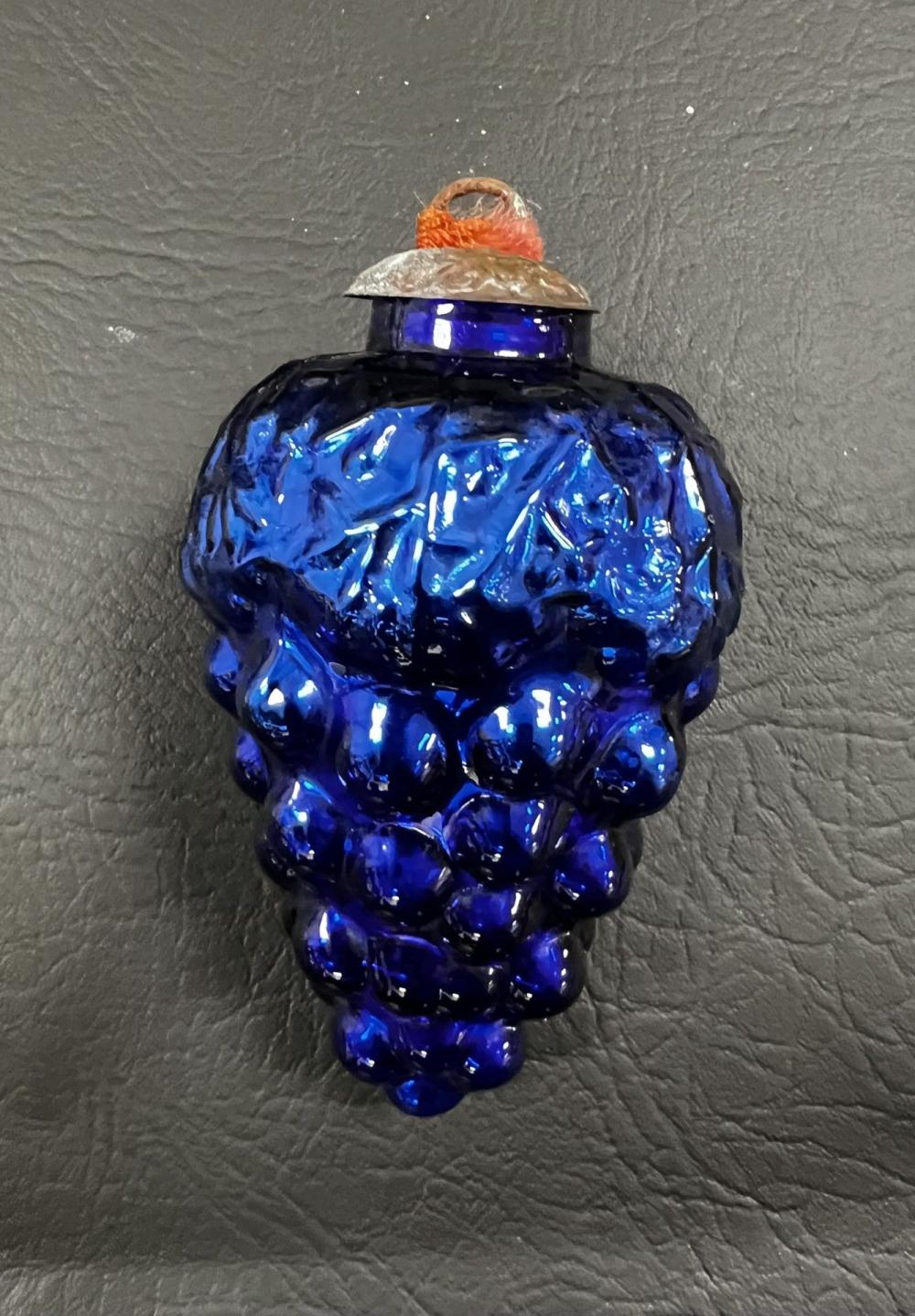
- German kugels (c. 1840s–early 1900s): Thick-walled, heavy, internally silvered glass fruit and sphere forms (grape clusters, apples, berries) with brass caps. Colors include deep cobalt, amethyst, cranberry, and green. They often hung year-round in Victorian interiors.
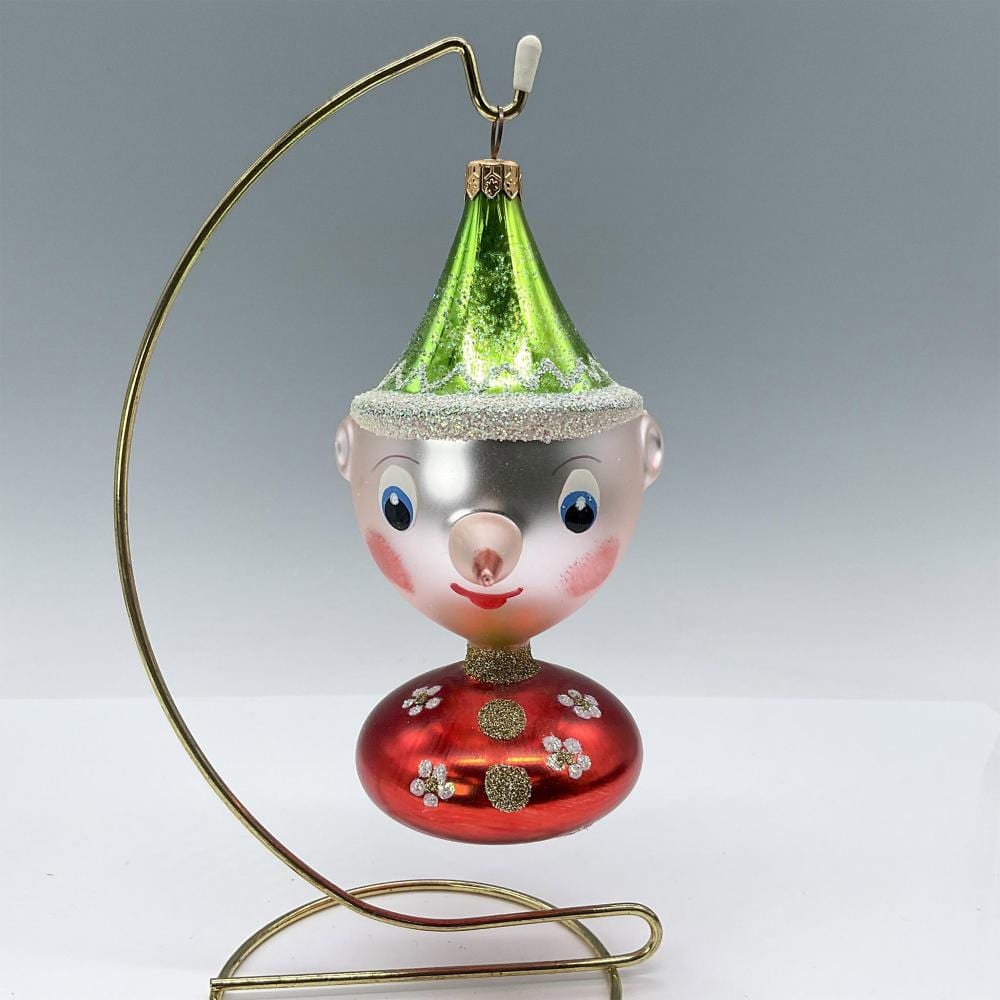
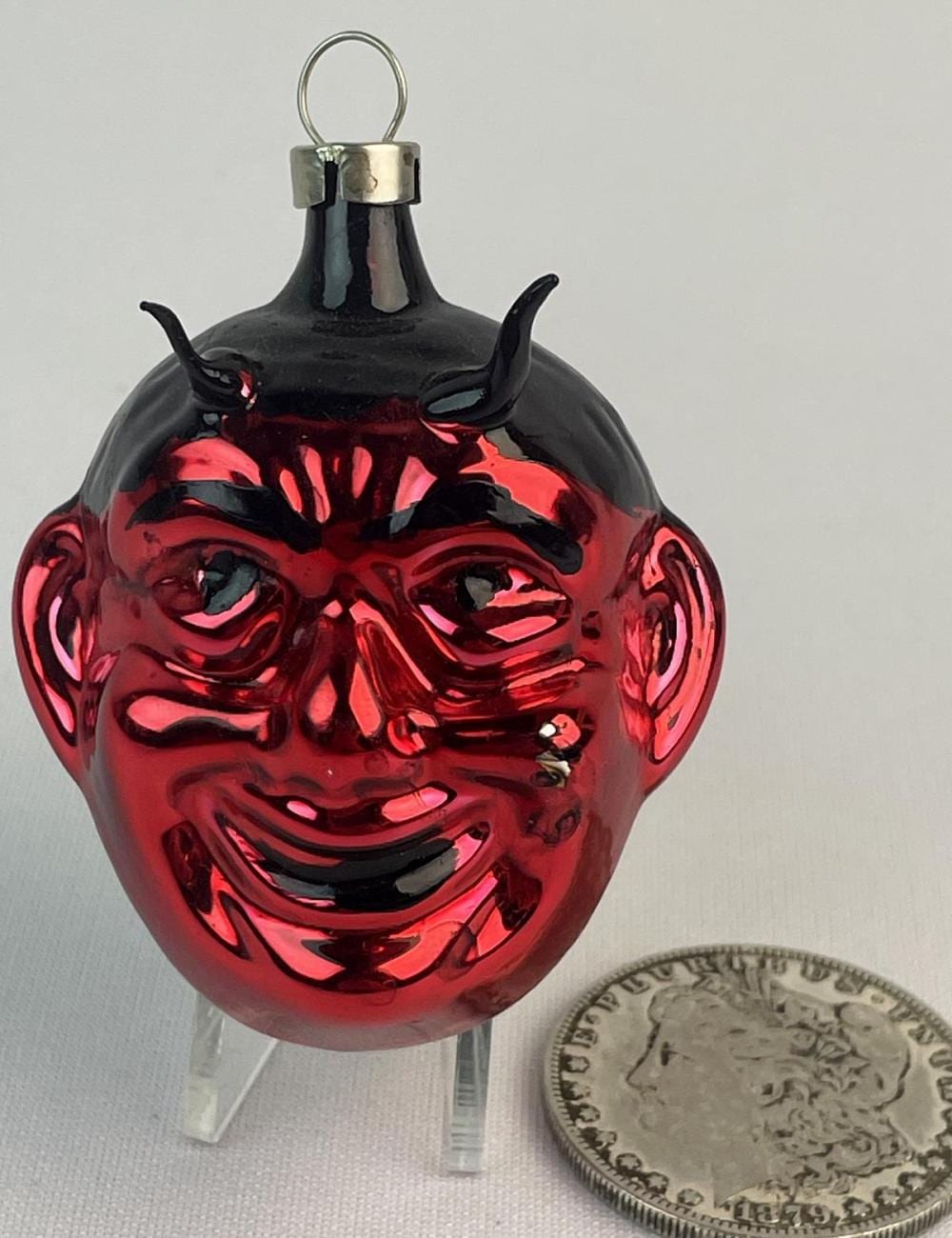
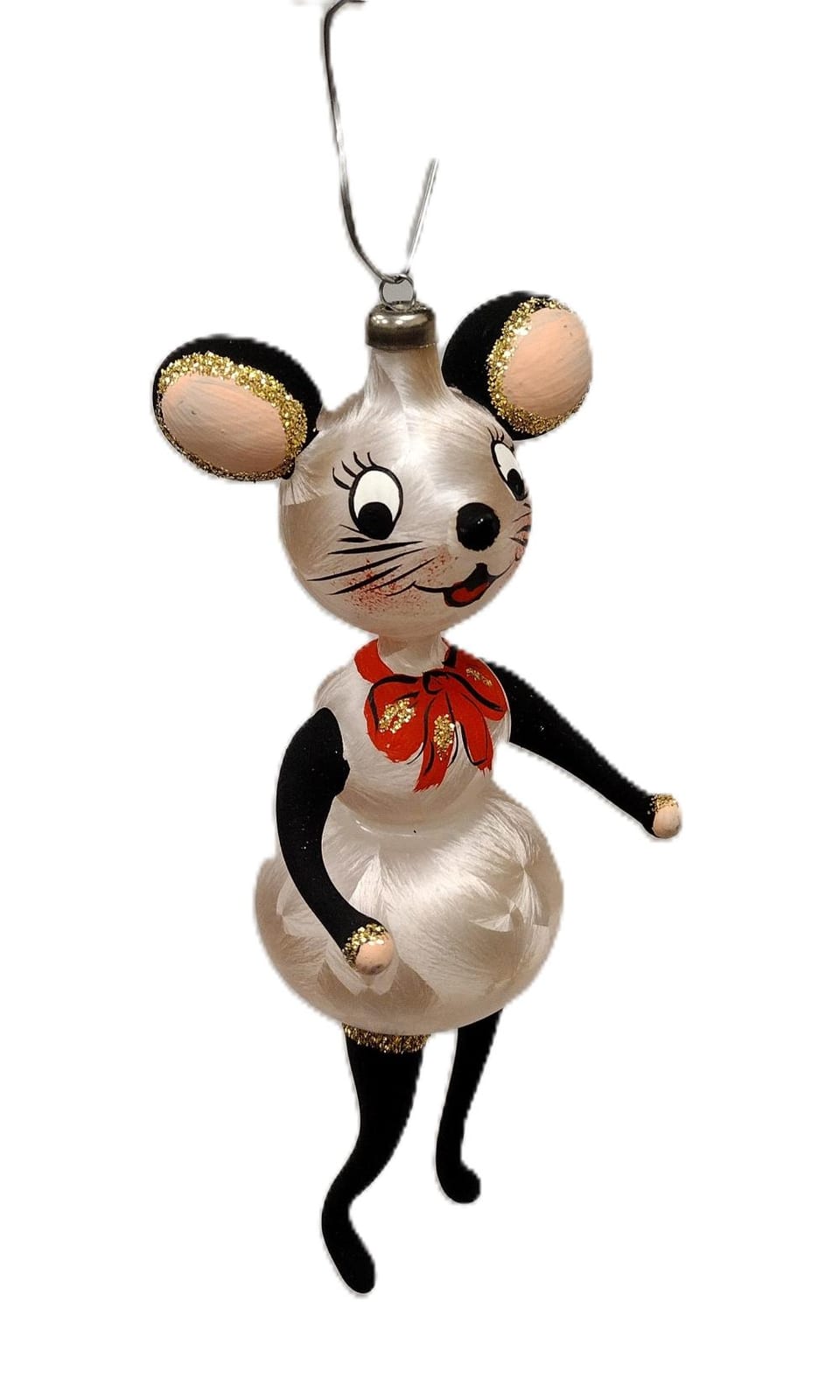
- Mold-blown glass figurals (c. 1890–1930s): Animals, Santa, vegetables, clowns, fish—usually made in Germany, Czechoslovakia, Poland, and later Japan. Early examples show nuanced painting and finely detailed molds.
- Dresden cardboard (c. 1880–1910): Embossed, die-cut paper ornaments in birds, sea life, airships, and fantasy forms. Lightweight but intricate, often with gilding and applied scraps. Among the scarcest and most valuable.
- Cotton batting figures (c. 1890–1910): Wire armatures covered in cotton, sometimes with spun glass wings or scrap faces (angels, children, snowfolk). Many include tinsel or paper trims.
- Wire- and bead-wrapped ornaments (c. 1910s–1930s): Czech and German forms with glass beads and wire geometries, sometimes encasing a small figural or reflector.
- American Shiny Brite and contemporaries (late 1930s–1950s): Mass-produced glass balls and indents. Wartime examples (c. 1942–45) often lack internal silvering and may use paperboard caps due to metal restrictions. Postwar ornaments regained silvering and brighter finishes.
As tariffs, wars, and trade shifted, origin marks changed, too—key clues for dating and attribution.
Identification: Materials, Marks, and Tells
Accurate identification combines material analysis, manufacturing clues, and country/maker marks.
What to look for:
- Glass construction
- Mouth-blown with mold: A visible seam from the mold halves is common in molded figural glass. The “pike” (neck) will show trimming marks from the blower’s tube.
- Kugel glass: Heavy, thick walls with rich, even silvering; brass cap secured with a heavy ring. Weight is a strong indicator—kugels feel surprisingly dense in hand.
- Surface and finishes
- Internal silvering: True “mercury glass” is a misnomer; most ornaments use silver nitrate. Early silvering may mellow to a soft, even patina; harsh clouding or flaking suggests damage.
- Mica “sugar”: Coarse, mineral-like mica on snow scenes and stencil designs appears on German and American ornaments from the 1920s–50s. Plastic glitter indicates modern manufacture.
- Paint: Early hand painting shows brushwork and shading; later spray and stencil methods are more uniform. Fluorescent hues usually signal midcentury or later.
- Caps and hooks
- Metals: Brass and tin were typical pre-1950; lightweight aluminum became common post-1950.
- Wartime paperboard caps: Seen on some Shiny Brite examples during WWII.
- Markings: Stamped “Germany,” “Made in Germany,” “West Germany,” “Czechoslovakia,” “Poland,” “Japan,” “USSR,” or “Occupied Japan” help date and source.
- Country-of-origin timeline (use as a guide, not an absolute)
- 1891+ U.S. McKinley Tariff requires marked country of origin (“Germany,” “Japan,” etc.).
- 1918–c. 1938 “Czechoslovakia” common; “Poland” marks increase in the interwar years.
- 1947–1952 “Occupied Japan.”
- Post-1949 “Made in Western Germany” or “West Germany” (and “East Germany” less commonly).
- Paper and cardboard
- Dresden ornaments display crisp embossing and laminated layers; genuine aging shows gentle oxidation, not uniform “tea-staining.” Glue joints often use animal-based pastes. Sharp die-cut edges soften with time, but the emboss remains pronounced.
- Cotton batting and spun glass
- Period cotton often yellows slightly; faces may be lithographed paper scraps. Wings of fine spun glass are delicate and slightly iridescent.
Red flags for reproductions:
- Perfect, bright caps paired with heavily “aged” paint.
- Plastic glitter or hot-glued trims.
- Too-uniform brown staining on paper items.
- Modern makers’ hangtags or laser-etched logos.
- “Kugel-style” ornaments that are lightweight—the real ones are heavy.
Value Drivers and Realistic Price Ranges
Condition, rarity, scale, subject matter, originality, and provenance all affect value. Seasonal demand peaks from October through December; prices and bidding activity follow.
Primary value drivers:
- Condition
- Paint and silvering retention, minimal neck chips, intact caps and original hooks. Minor wear is acceptable in antiques, but losses over 30% or significant cracking depress values sharply.
- Rarity and desirability
- Certain subjects (black cats, early Santa, fish, clowns, unusual fruits/vegetables) and unusual forms (zeppelin, automobiles, articulated animals) command premiums.
- Scale and complexity
- Larger kugels (4–6 inches) and complex multi-part figural ornaments are more valuable.
- Original packaging and completeness
- Matching sets in original boxes, especially with retailer labels (e.g., early five-and-dime stores), see strong premiums.
- Provenance
- Documented ownership, contemporary photographs, or shop labels add credibility and value.
Typical price ranges (approximate; condition-dependent):
- German kugels: $75–200 for small spheres and berries; $200–400+ for larger grapes, deep cobalt/amethyst, and uncommon forms. Exceptional examples can go higher.
- Dresden cardboard: $200–800 for common forms; rare subjects and large, multipart pieces can reach into the low thousands.
- Cotton batting figures: $100–300 for common angels/snowfolk; $300–600+ for unusual subjects or excellent examples with spun glass.
- Early German/Czech figural glass: $75–250 for common forms; $250–600+ for scarcer molds or exceptional paint.
- Wire- and bead-wrapped Czech forms: $60–200; higher for complex geometrics with intact beads and original wire.
- Shiny Brite and midcentury indents: $40–150 for boxed sets in strong condition; rare colors, diorama styles, and mint-in-box sets can bring more.
Note: Market specialization matters. A top-condition, rare Dresden sold at a specialty sale may far exceed generalist auction outcomes.
Appraisal Tactics and Market Dynamics
For appraisers and advanced collectors, a disciplined approach reduces risk and supports defensible valuations.
Build comparables:
- Match like-with-like: Same form, size, country, era, and condition. A kugel “grape” is not a proxy for a small berry.
- Track seasonality: Off-season sales (spring/summer) typically yield softer comps than Q4; normalize accordingly.
- Factor originality: Original caps, hangers, and boxes change the comp set; discount for replaced caps or absent parts.
Condition grading shorthand:
- Mint in box (MIB): Unused or near-pristine in original packaging—premium pricing.
- Near Mint/Excellent: Minimal wear; strong silvering/paint; structurally sound.
- Very Good: Honest age wear, small neck flake or light paint loss; stable overall.
- Good/Fair: Noticeable losses, cracks, or repairs—evaluate as decorative or parts.
Authentication tips:
- Magnification: Inspect paint layers, silvering anomalies, and micro-scratches consistent with age.
- UV light: Can help spot newer adhesives/repairs; not definitive but useful.
- Smell test: Fresh paint or adhesive smell suggests recent work; vintage ornaments generally lack strong solvent odors.
Where to buy or sell:
- Specialist auctions and dealers: Best for high-end Dresdens, rare kugels, and top-tier figural selections.
- Collector shows and clubs: Good for networking, education, and finding vetted pieces.
- Estate sales and general auctions: Potential for discovery; higher due diligence required.
- Online marketplaces: Wide reach; documentation and high-quality photography are critical.
Documentation:
- Photograph each ornament from multiple angles, including cap, pike, and any marks.
- Record measurements, weight (helpful for kugels), materials, and condition notes.
- Retain receipts and provenance notes; a simple inventory spreadsheet helps with insurance and estate planning.
Care, Storage, and Risk Management
Antique ornaments are fragile composites—glass, metal, paint, paper, and adhesives—each with different sensitivities.
Handling:
- Handle over a padded surface with clean, dry hands or nitrile gloves.
- Lift by the body, not just the cap. Support the neck/pike when removing from trees or stands.
Cleaning:
- Avoid liquids and household cleaners; ammonia attacks silvering.
- Use a soft natural-bristle brush or air bulb to remove dust.
- Do not attempt internal cleaning of silvered ornaments; moisture can destroy the coating.
Display:
- Limit direct sunlight to prevent fading and heat stress.
- Use padded hooks or ribbon; avoid thin wire that can gouge paint.
- For stands, ensure stable bases; avoid adhesives on painted surfaces.
Storage:
- Store in a climate-stable environment—avoid attics and damp basements.
- Use acid-free, unbuffered tissue and rigid archival boxes with dividers.
- Wrap each ornament loosely; avoid plastic directly against flaking paint.
- For metal caps, include a small packet of silica gel in the storage box to moderate humidity.
- Keep original boxes separately or protect within a larger archival box to prevent crushing.
Repairs and conservation:
- Minor cap tightening is acceptable; document any changes.
- Professional conservators should handle detached pikes, structural cracks, or Dresden repairs.
- Avoid over-restoration; visible, documented stabilization is preferable to speculative repainting.
Insurance and risk:
- For collections with significant value, schedule items on a fine-arts policy.
- Update appraisals every 3–5 years; keep digital photos and inventories offsite or in the cloud.
Quick Collector’s Checklist
- Identify the type: kugel, Dresden, cotton batting, figural glass, beaded/wire, or midcentury indent.
- Check weight and build: Heavy for kugels; mouth-blown pike and appropriate seams for molded glass.
- Read the cap and marks: “Germany,” “Czechoslovakia,” “Poland,” “Japan,” “Occupied Japan,” “West Germany,” etc., aligned with the era.
- Assess condition: Paint/silvering retention, neck flakes, cap originality, and structural integrity.
- Verify finishes: Mica vs. plastic glitter; hand-painted vs. uniform spray.
- Look for originality: Matching set, original box, period hooks or trims.
- Screen for repros: Plastic glitter, perfect caps with faux patina, suspicious staining on paper.
- Document: Measurements, multiple photos, provenance notes.
- Price check: Pull seasonally adjusted comps; compare like-with-like.
- Plan care: Archival storage, stable climate, no liquid cleaning.
FAQ
Q: Are antique ornaments really “mercury glass”? A: Most are internally silvered with silver nitrate, not elemental mercury. The term “mercury glass” is commonly misused. Treat as delicate, but typical silvering is not mercury.
Q: How do I date a piece marked “West Germany” or “Occupied Japan”? A: “West Germany” generally indicates post-1949 into the 1980s. “Occupied Japan” dates roughly 1947–1952. Use these as a starting point and corroborate with materials, paint, and style.
Q: What’s the biggest value killer? A: Structural damage (cracks, crushed forms) and heavy paint/silvering loss. Replaced caps reduce value, but less so than a broken neck or compromised body.
Q: Are wartime Shiny Brite ornaments valuable? A: Yes, certain unsilvered wartime examples with paperboard caps and strong paint do well, especially in original boxes. They are collectible midcentury items, though not “antique” in the strict sense.
Q: How should I clean a cloudy kugel? A: Don’t. Internal clouding is deteriorated silvering and cannot be cleaned without risk. Dust the exterior gently and focus on proper storage to prevent further degradation.
By learning the materials and tells, understanding what drives value, and caring for your finds correctly, you can confidently identify, appraise, and preserve the best antique Christmas ornaments—unlocking both their monetary and historical treasures.