
Man Ray Appraisal of a Ea Lithograph: appraisal and value basics
Man Ray Appraisal of a Ea Lithograph research should start with identification, condition, provenance, and recent comparable sales. Use this guide to compare the signals that matter before paying for a formal appraisal or deciding whether to sell.
Many legacy “appraisal report” posts (including the original WordPress version of this page) were short and didn’t explain the most important issue for valuation: what kind of print you actually have. With Man Ray, the market includes everything from lifetime prints to later authorized editions, as well as posters and reproductions that only look like limited editions.
An E.A. notation is the French abbreviation for épreuve d’artiste—an artist’s proof—typically a small subset of an edition kept by the artist. In practice, “E.A.” is a clue, not a guarantee. Appraisers still need to confirm the paper, printing method, and the way the marking was applied.
Below is a collector-first checklist you can follow at home. If you’re trying to appraise a specific title (for example Man Ray’s Rebus series from the early 1970s), you’ll also want to match the size, colorway, and margin notation to a known edition.
Free instant estimate
Not sure if your item is worth appraising? Let us take a look.
Upload a photo, tell us what you know, and get a free first read. If a full appraisal makes sense, we will say so.
Free. No card needed. Takes about two minutes.
How We Research Valuation Data
Our appraisal guides are based on auction results, dealer pricing data, and professional appraiser insights. We may earn a commission when you use our free professional appraisal service. Learn about our editorial standards.
What does “E.A.” mean on a Man Ray lithograph?
E.A. is used in Francophone printmaking contexts to indicate an artist’s proof. You may also see A.P. (artist’s proof), H.C. (hors commerce), or Roman numerals for proofs. Proofs are usually a small percentage of the edition—often single digits to a few dozen, depending on the publisher and era.
In many markets, an artist’s proof can sell for a premium if it is clearly authentic and comparable to the numbered edition. The premium is not automatic. Buyers still look at subject matter, colorway, size, edition size, signature type, condition, and provenance.
For Man Ray specifically, the same image may exist as a print, a later portfolio plate, or a poster. An “E.A.” in the margin doesn’t override those differences—so the goal of an appraisal is to document which version you own.
The photo checklist that makes an appraisal accurate
If you want a reliable value range, take photos that show the entire sheet and the details that differentiate a real edition from a reproduction. Collectors and auction houses usually want:
- Full front (straight-on, including margins and frame edges if framed)
- Lower margin close-up showing “E.A.”, the numbering (if any), and the signature/monogram
- Any embossed chop (printer/publisher) captured at an angle so the relief shows
- Paper texture (raking light helps) and any watermark if visible
- Back of the sheet (labels, stamps, hinge tape, foxing bleed-through)

Authentication cues (and red flags) for Man Ray prints
A quick way to think about authentication is: is the print consistent with how limited editions are made? An authentic lithograph or screenprint typically shows a combination of correct paper, correct printing characteristics, and correct edition notation.
Positive cues
- Pencil notation that sits on top of the paper fibers (not printed dots)
- Plate mark or clear evidence of the printing process (varies by medium)
- Embossed chop from a publisher/printer (many editions have one)
- Consistent size that matches a documented edition (image size + sheet size)
Common red flags
- “Signature” printed in the image area or repeated identically across many listings
- No margins (image goes to the edge) when the documented edition normally has wide margins
- Suspiciously low price history for a supposedly rare proof
- Over-cleaning or heavy mat burn that hides condition issues
If you inherited the work and don’t have paperwork, don’t panic. Condition + documentation can be rebuilt with careful photography, framing notes, and a conservative comparison to auction results.
Value drivers for a Man Ray “E.A.” lithograph
The original WordPress appraisal stub associated with this slug cited a range of $1,200–$1,500 for an artist’s proof lithograph attributed to Man Ray. Whether your print falls in that band depends on a few practical levers:
- Exact title and edition (e.g., which Rebus variation, year, publisher)
- Signature format (full signature vs. monogram; pencil vs. printed)
- Edition size and how many proofs exist (smaller tends to be stronger)
- Condition (foxing, toning, fading, staining, mat burn, tears, trimming)
- Provenance (gallery invoice, estate documentation, exhibition history)
Many Man Ray prints trade as “decorator-friendly” works when condition is weak or the edition is unclear, while well-documented editions can justify a stronger premium.
What similar items actually sold for
To help ground this guide in real market activity, here are recent example auction comps from Appraisily’s internal database. These matched sales are market context only, not an object estimate or identification, and they do not guarantee a price for your specific man ray.
Shown EUR range: EUR 260-EUR 12,500. Median of these 7 EUR examples: EUR 1,700.
| Comparable | What sold | Auction house | Date | Lot | Source-reported amount |
|---|---|---|---|---|---|
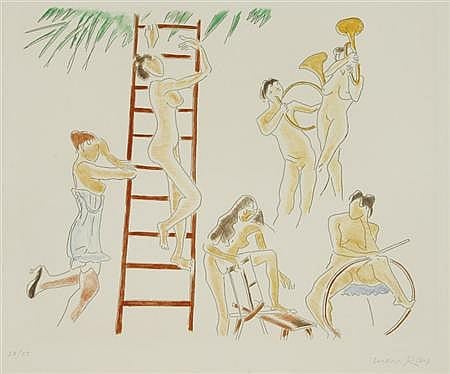 |
Man Ray LE CONCERT Color etching | Doyle New York | 2007-11-06 | 2350 | USD 800 (buyer’s-premium treatment unknown) |
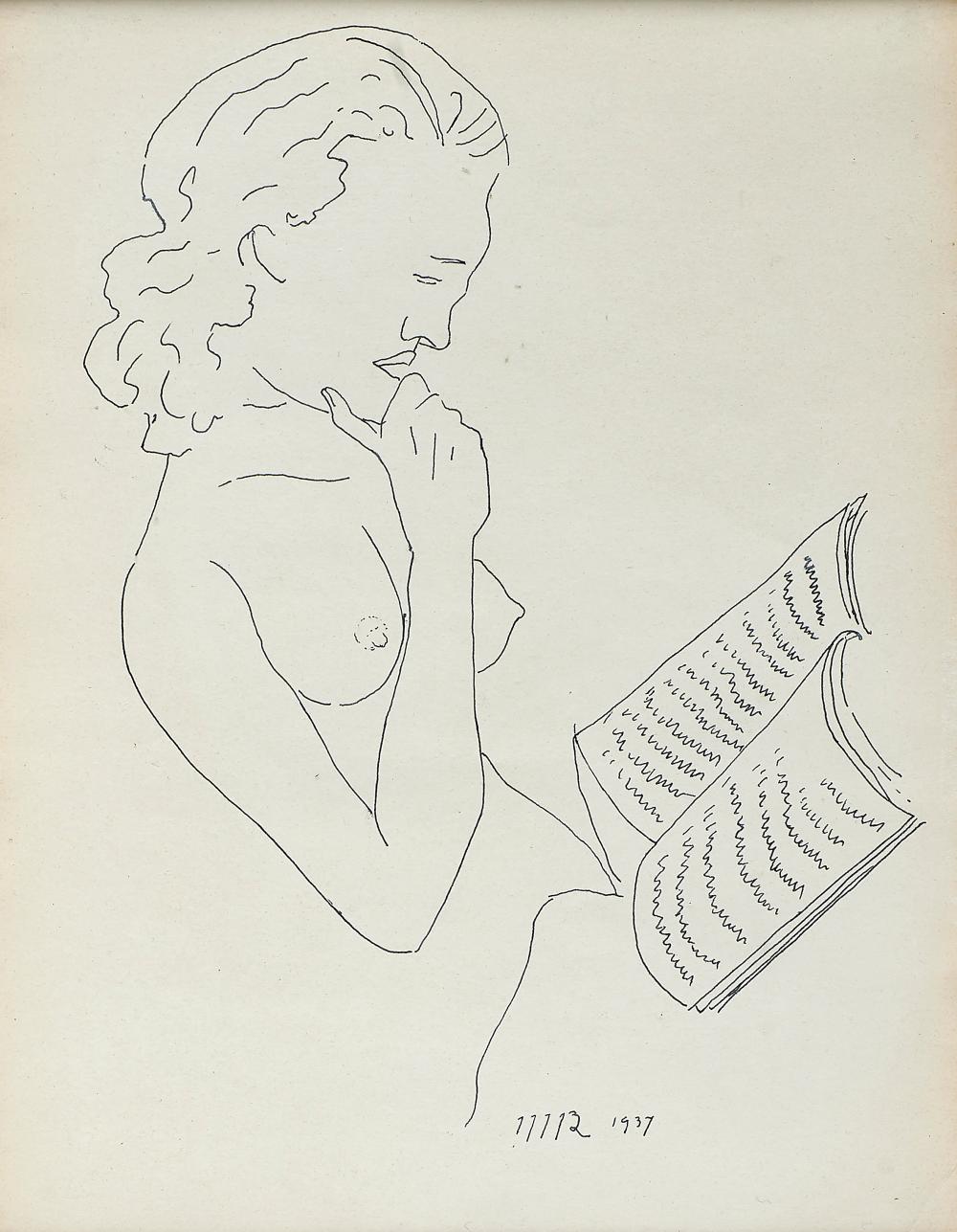 |
MAN RAY 1890-1976 La lecture 1937 | Aste Bolaffi | 2019-11-06 | 408 | EUR 6,000 (buyer’s-premium treatment unknown) |
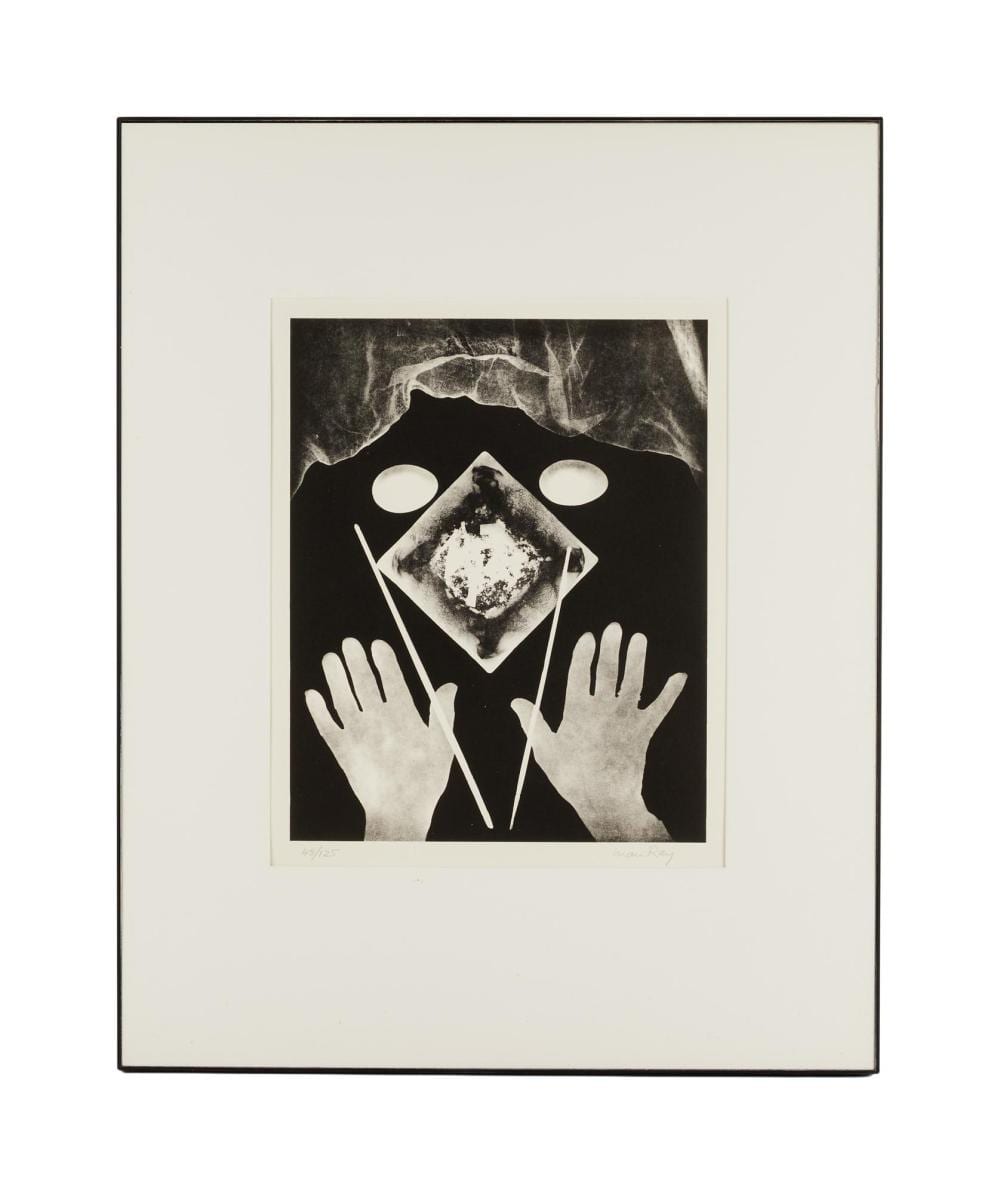 |
David Lynch | Man Ray Signed "Two Hands" Limited-Edition Print | Julien's Auctions | 2025-06-18 | 203 | USD 17,500 (buyer’s-premium treatment unknown) |
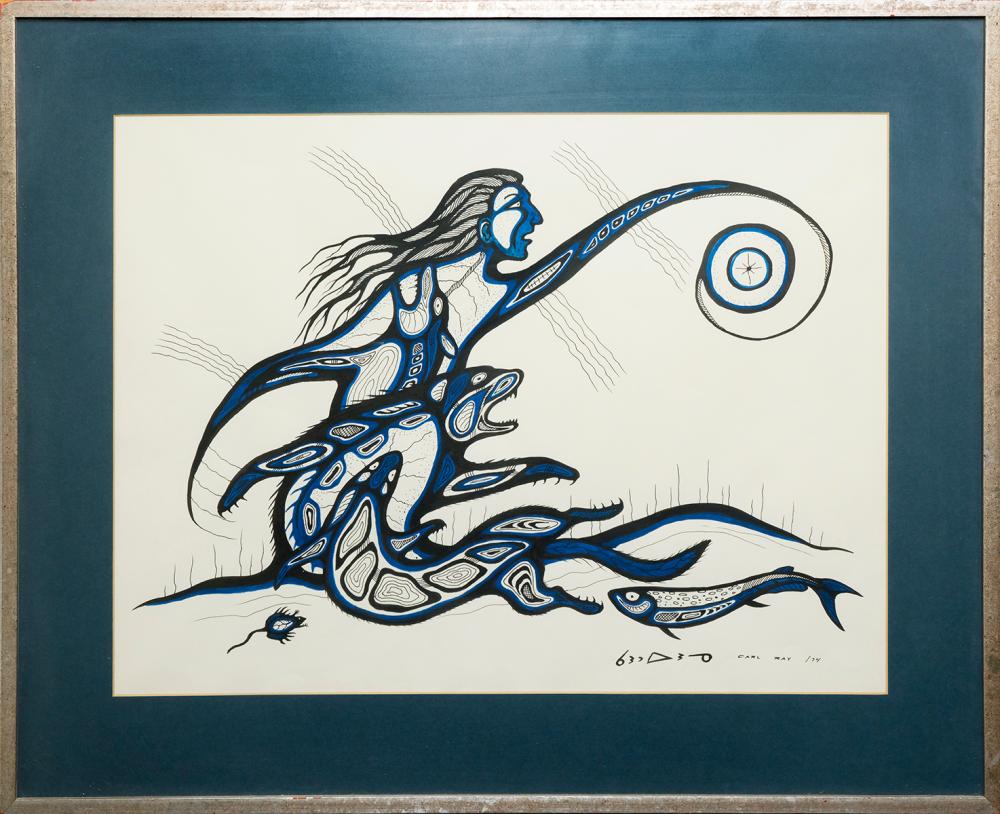 |
CARL RAY - Untitled - Man and Spirit Animals | Saskatchewan Network for Art Collecting | 2018-10-27 | 13 | CAD 1,950 (buyer’s-premium treatment unknown) |
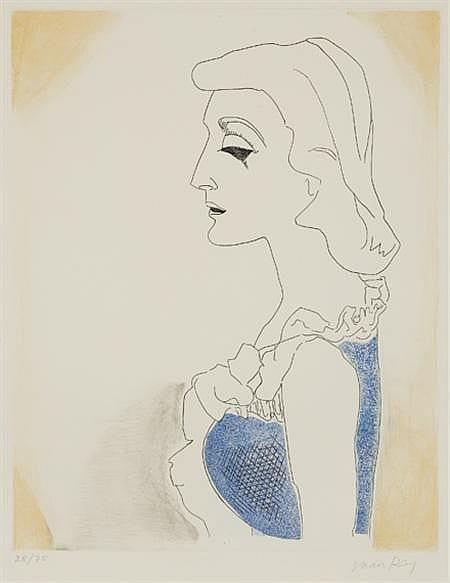 |
Man Ray TONY Color etching and aquatint | Doyle New York | 2007-11-06 | 2351 | USD 550 (buyer’s-premium treatment unknown) |
![MAN RAY (1890-1976) [Portrait of Arthur Freed]. Gelatin silver print tipped to original mount, 9 1/2 x 7 5/8 inches (242 x 1... sold by DOYLE Auctioneers & Appraisers, lot 544 — auction record photograph](https://assets.appraisily.com/comps/auction-lots/101807545/thumb/8a0bd8ad70306bd84ead4bb238b8c10be1760511ec0215821a7eb5bead15c601.jpg) |
MAN RAY (1890-1976) [Portrait of Arthur Freed]. Gelatin silver print tipped to original mount, 9 1/2 x 7 5/8 inches (242 x 1... | DOYLE Auctioneers & Appraisers | 2015-04-15 | 544 | USD 625 (buyer’s-premium treatment unknown) |
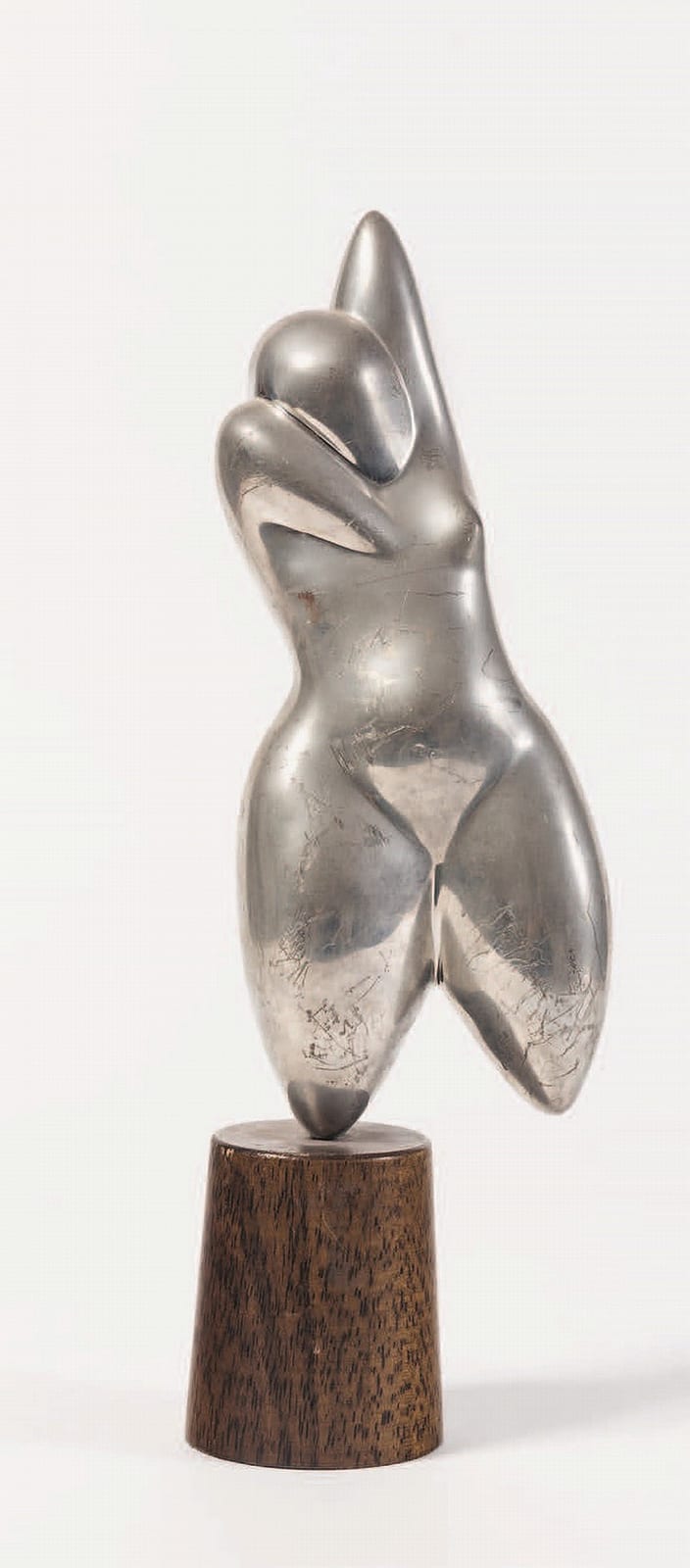 |
MAN RAY (1890-1976) Hermaphrodite Sculpture en aluminium montée sur socle | Cornette de Saint-Cyr-Bruxelles | 2018-06-26 | 604 | EUR 1,300 (buyer’s-premium treatment unknown) |
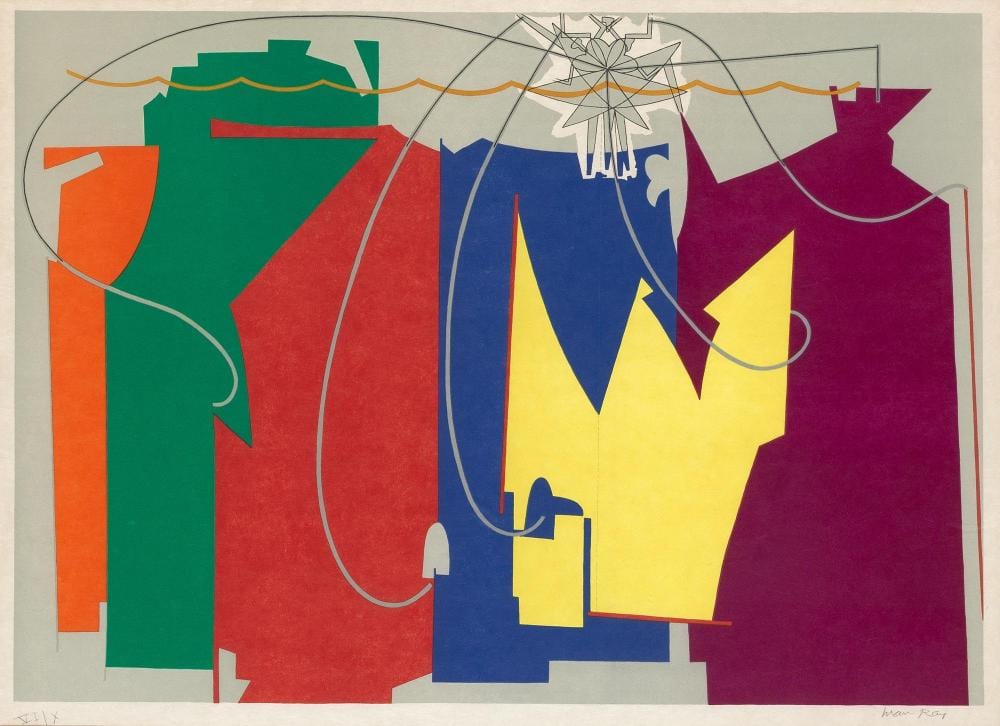 |
Man Ray THE ROPE DANCER ACCOMPANIES HERSELF WITH HER SHADOWS Color lithograph | DOYLE Auctioneers & Appraisers | 2018-10-22 | 120 | USD 1,750 (buyer’s-premium treatment unknown) |
 |
MAN RAY (AMERICAN, 1890-1976) Le Beau Temps (Anselmino I 1) Lithograph printed in col | Bonhams | 2018-03-28 | 200 | GBP 1,875 (buyer’s-premium treatment unknown) |
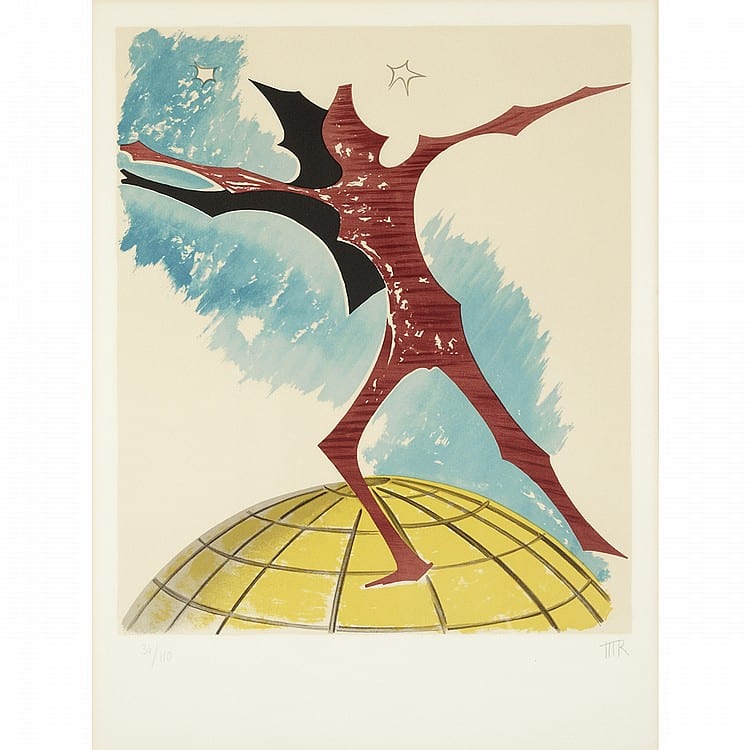 |
Man Ray (1890-1976), IN CIMA AL MONDO (CONQUER THE WORLD), 1972 [ANSELMINO, 35], Colour lithograph on Arches paper; signed with initial monogram and numbered 34/110 in pencil to margin., Image 19" x 16" - 48.3 x 40.6 cm. | Waddington's | 2015-03-10 | 49 | CAD 720 (buyer’s-premium treatment unknown) |
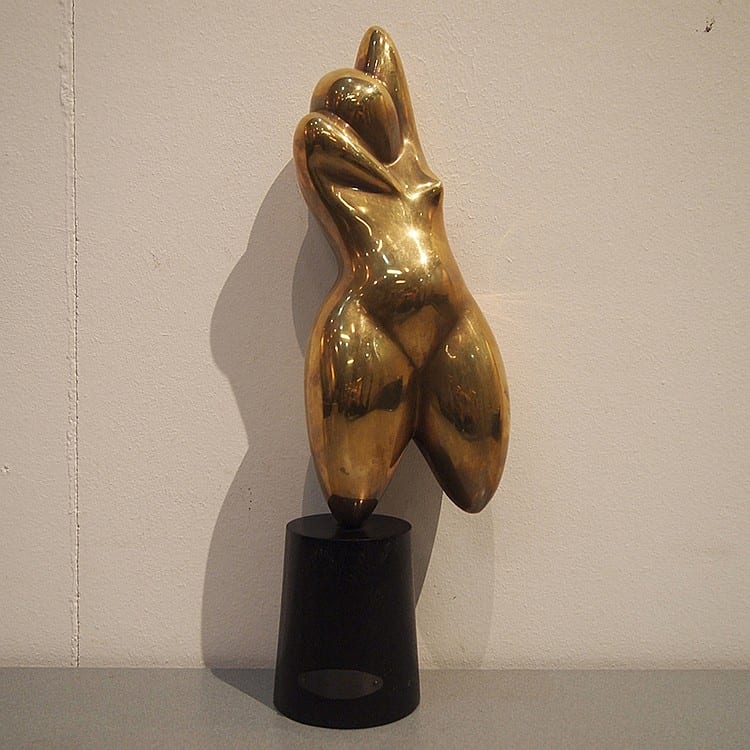 |
Ray Man (1890-1976) / Artcurial : Sculpture moderne création vers 1975, | Salle de Ventes Saint-Job | 2015-03-30 | 120 | EUR 1,700 (buyer’s-premium treatment unknown) |
 |
Man Ray, Cadeau, Multiple, 1921/1974 | Auctionata Paddle8 AG | 2016-06-30 | 13 | EUR 750 (buyer’s-premium treatment unknown) |
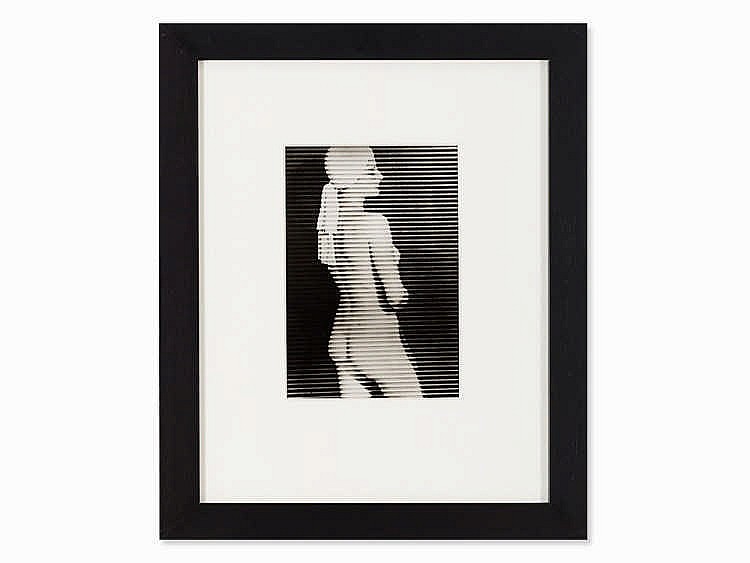 |
Man Ray (1890-1976), Photograph, Juliet, c. 1945 | Auctionata Paddle8 AG | 2015-07-22 | 13 | EUR 260 (buyer’s-premium treatment unknown) |
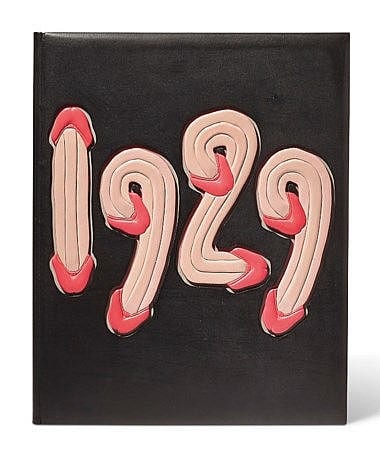 |
PÉRET, Benjamin, Louis ARAGON, et MAN RAY | Christie's | 2019-07-04 | 269 | EUR 12,500 (buyer’s-premium treatment unknown) |
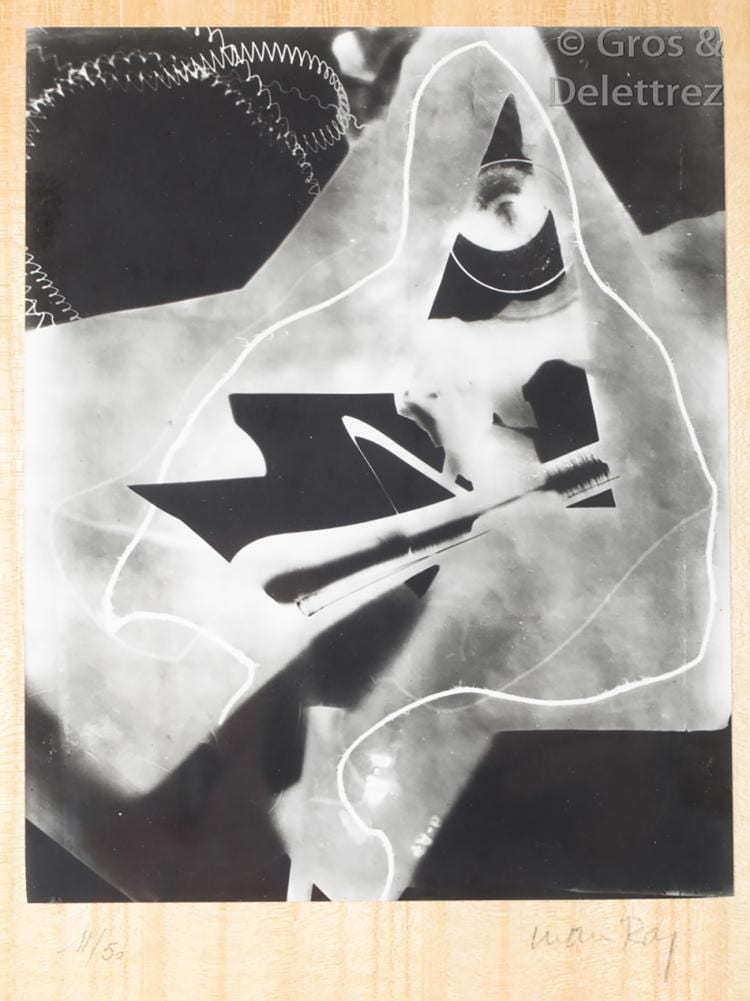 |
Man Ray (Emmanuel Radnitsky, dit) (1890-1976) Man Ray - 40 rayographies. | Gros-Delettrez | 2018-06-15 | 80 | EUR 2,200 (buyer’s-premium treatment unknown) |
How these auction records were verified
Each row retains its exact source URL, lot identity, retrieval time, access result, and immutable record hash. Inspect the public comparable provenance record.
Disclosure: prices are shown as reported by auction houses and are provided for appraisal context. Learn more in our editorial policy.
If you’re selling, your goal is to make the listing defensible: show the margin details, disclose any paper issues, and avoid copying a title/year unless you can support it. If you’re insuring, focus on a replacement-ready description and conservative comps.
- For resale: consider a specialist prints dealer, a reputable auction house, or a curated online marketplace.
- For insurance/estate: ask for a written appraisal report with condition notes and comparable sales.
- For donations: keep provenance paperwork and request an appraisal that meets your tax jurisdiction’s requirements.
Search variations collectors ask
Readers often Google:
- what does EA mean on a Man Ray print
- Man Ray artist proof lithograph value
- how to tell if a Man Ray lithograph is original
- Man Ray Rebus lithograph signed and numbered appraisal
- EA vs AP print markings difference
- how to photograph a lithograph for an appraisal
- Man Ray print edition number location
- how to sell a signed limited edition lithograph safely
Each question maps to the identification, authentication, and comps guidance above.
References
- General overview of artist’s proofs: https://en.wikipedia.org/wiki/Proof_(printmaking)
- Appraisily auction dataset snapshots (examples cited: Rago Arts and Auction Center; Il Ponte Auction House; RB Fine Arts).
- Appraisily legacy appraisal record (WordPress post ID 16093) for “Man RAY Appraisal of a EA Lithograph.”
Wrap-up
An “E.A.” marking can be a positive sign, but value depends on documenting the edition and condition like a specialist would. Start by photographing the full sheet and the lower margin details, then compare your print to known editions and realistic auction comps. If you’re unsure, a quick professional screening can save you from underpricing a legitimate proof—or overvaluing a reproduction.