
20th-century bouquet floral painting value guide: appraisal and market basics
20th-Century Bouquet Floral Painting Appraisal Guide research should start with identification, condition, provenance, and recent comparable sales. Use this guide to compare the signals that matter before paying for a formal appraisal or deciding whether to sell.
Bouquet floral painting appraisal notes
Floral subjects never lost favor in the 20th century, but their handling changed dramatically—from post‑Impressionist impasto to mid‑century abstraction and late‑century poured acrylics. If you’re evaluating an “original bouquet flow painting,” you’re likely looking at a floral composition rendered with fluid, gestural strokes or poured effects. This guide explains how to distinguish technique, date the work, evaluate authenticity and condition, and set expectations for value.
What “Bouquet Flow” Signifies in the 20th Century
“Bouquet flow” is not a formal art‑historical term; appraisers use it as shorthand for floral paintings emphasizing movement, fluid brushwork, and sometimes pour‑like passages.
Common 20th‑century interpretations:
- Post‑Impressionist and Fauvist florals (1900–1930): Loose, high‑chroma strokes, visible ground, and expressive outlines.
- Interwar to mid‑century modernism (1930–1960): Simplified forms, planar color, or calligraphic mark‑making. Bouquet shapes may be stylized rather than botanical.
- Post‑war abstraction (1950–1970): Flowers reduced to color fields and gestural sweeps; occasional stain painting on unprimed canvas.
- Acrylic pour and “flow painting” (1960–present): Poured, swirled, or marbled effects created with liquid acrylic mediums.
If your painting’s fluidity comes from truly poured paint with cellular marbling, it likely dates to the late 20th century onward, when acrylic mediums made controlled pours practical. Earlier works with “flow” usually achieve it through thinned oil, watercolor, or gouache and energetic brushwork rather than literal pours.
Technique and Materials: How to Tell What You Have
Identifying medium and support narrows date and origin.
Oil on canvas or panel
- Surface: Rich saturation, variable gloss, evident brush ridges; can show age craquelure.
- Varnish: Natural resin varnishes yellow and fluoresce greenish under UV; synthetic varnishes (post‑1940s) may be clear and less fluorescent.
- Supports: Hand‑primed canvas, linseed‑oil grounds, and tacks are common before mid‑century; machine‑made stretcher bars, staples, and factory‑primed canvas become common after 1950.
Watercolor or gouache on paper
- Surface: Matte (gouache), transparent washes (watercolor); the paper texture remains visible.
- Paper clues: Watermarks, deckle edges, and papermaker’s marks aid dating; acidic mounts can cause a brown “mat burn.”
- Frames: Glazed framing indicates a work on paper; check for period mats and framer’s labels.
Acrylic on canvas or board
- Surface: More plastic film, less yellowing; can produce pour effects with mediums.
- Dating cue: Acrylic paints became widely available to artists in the 1950s and gained mainstream adoption in the 1960s. Highly controlled “cells” and silicone-like effects typically indicate late 20th/21st‑century practice.
Brushwork vs pour vs knife:
- Brushwork: Directional strokes, sometimes scumbled edges; drying ridges.
- Palette knife: Flat swathes, sharp edges, peaks of paint.
- Pour: Smooth, pooled layers, lacing/cells; edges formed by gravity rather than bristle marks.
Ground color and preparation:
- Early 20th‑century oils often show warm off‑white or ochre grounds peeking between strokes.
- Later factory‑primed canvases tend toward bright white acrylic gesso.
Back of the work:
- Tacks driven into stretcher sides are typical before mid‑century; staples from the back are common after ca. 1960.
- Stretcher construction: Hand‑tooled bars with keyed corners early on; precisely milled bars and uniform keys later.
- Labels and stamps from art suppliers, framers, galleries, or exhibitions can be powerful evidence of date and place.
Dating Clues You Can Trust
Triangulate date using multiple indicators rather than a single feature.
Pigments and whites
- Titanium white (PW6): In use from the 1910s–20s and near‑universal by mid‑century. A dominance of titanium white suggests 20th century, while pure lead white alone suggests earlier—though many artists used both.
- Cadmium pigments: Common in the 20th century; strong, opaque reds/yellows.
- Phthalocyanine blue/green: Introduced mid‑20th century; intense, staining greens and blues are a post‑1930s sign, widespread after the 1950s.
Fasteners and hardware
- Square nails: Uncommon by the 20th century; wire nails predominate.
- Screws: Slotted screws early; Phillips head widely adopted mid‑20th century.
- Staples on canvas: Typically post‑1950s.
Supports and panels
- Plywood and hardboard (Masonite) become popular supports from the 1930s onward; if original, they indicate mid‑century or later.
- Canvas weave: Coarser, hand‑loomed canvases are likelier earlier; uniformly fine machine weaves are common later.
Varnish under UV
- Natural resins fluoresce; fresh synthetic varnishes may not. Heavy, even fluorescence can also indicate a re‑varnish.
Framing style
- Gilt composition frames with ornate corners suggest earlier taste, but frames are often replaced.
- Mid‑century modern frames are typically simple, painted or natural wood with clean profiles.
Paper evidence (for works on paper)
- Watermarks and date codes on papers (e.g., Arches, Whatman) provide “no earlier than” dates.
- Optical brighteners in paper point to post‑1950s manufacture; they fluoresce under UV.
None of these alone is definitive, but together they build a tight date range.
Attribution, Signatures, and Provenance
True value rests on authorship and story as much as subject.
Signatures
- Compare letterforms across known works if you have a candidate artist. Watch for mismatched monograms, inconsistent hand, or signatures placed over aged varnish (a red flag).
- Back inscriptions—titles, dates, studio addresses—are often more revealing than the front signature.
Inscriptions and language
- Dedications (e.g., “Pour M… 1932”), exhibition labels, and gallery stock numbers can fix chronology and geography.
- Inventory chalk marks and customs labels tell travel histories.
Style and school
- French School bouquets may show brisk, color‑forward handling; Dutch or Belgian florals may retain stronger chiaroscuro; mid‑century American works might favor planar abstraction or stain techniques.
- A typology of vases (faience, Art Deco glass, mid‑century ceramics) can align with specific decades.
Provenance documentation
- Old sales receipts, exhibition catalog references, framer’s invoices, and estate inventories carry weight. Photographs of the work in period interiors can also be persuasive.
When in doubt, consult catalogues raisonnés, artist foundations, or independent scholars. Even if you cannot tie the work to a named artist, a compelling school, date, and provenance can elevate value beyond decorative status.
Condition and Conservation Considerations
Condition influences both authenticity assessment and price.
Common oil painting issues
- Craquelure: Age‑related fine cracking can be stable; wide, tented cracks or cupping indicate structural stress.
- Zinc‑related cracking: Brittle, networked craquelure in white passages can signal zinc oxide content, more typical of 20th‑century paints.
- Overpaint: Under UV, newer retouches often appear darker or dead; broad, even fluorescence may hide older restorations.
- Lining: Wax‑resin linings were common mid‑century; modern synthetic adhesives appear later. Lining stabilizes but can slightly mute impasto.
Watercolor/gouache issues
- Foxing (brown spots), mat burn, and fading of fugitive dyes. Lightfastness varies by pigment.
- Non‑archival mounts: Acidic backboards can stain paper; check for conservation upgrades.
Acrylic painting issues
- Surface attracts dust and scratches easily; avoid aggressive solvents.
- Pour paintings may exhibit crazing if poured too thick or if mediums were poorly balanced.
Frames
- Original frames can add context (and occasionally value). Document frame labels and construction before any reframing.
Always document condition in neutral light, raking light, and under UV. If in doubt, have a conservator produce a condition report; the cost is often recovered in improved sale outcomes.
Market Perspective: What Drives Value
Bouquet paintings span “decorative” to “collectible.” What moves the needle:
- Authorship and school: A listed artist with auction history or a recognized regional school can be worth multiples of an anonymous but attractive work.
- Date and movement: Early modernist florals and distinctive mid‑century abstractions often outperform late generic works.
- Quality and scale: Confident handling, balanced composition, and larger formats tend to achieve stronger prices.
- Palette and appeal: High‑chroma, room‑friendly compositions remain commercially resilient.
- Condition and originality: Unlined canvases with intact impasto and original varnish can be preferred. For works on paper, unfaded color under original, acid‑free mats is ideal.
- Provenance and exhibition history: A single notable exhibition label or gallery stamp can materially improve liquidity.
Note on “flow painting” confusion: Contemporary acrylic pours are popular online and in décor markets. If a work shows pronounced pour cells and silicone‑like effects, it is unlikely early 20th century; market comparables should then be drawn from late 20th/21st‑century decorative segments unless linked to a recognized contemporary artist.
Expected ranges:
- Anonymous, attractive 20th‑century bouquet oils: modest to mid three figures retail; higher for larger, high‑quality pieces in excellent condition.
- Listed artists or strong regional schools: four figures and up, depending on comparables, condition, and provenance.
- Works on paper: Often trade below oils of similar quality, with exceptions for sought‑after names.
Practical Appraisal Checklist
- Identify medium and support
- Oil/acrylic on canvas, board, or panel; watercolor/gouache on paper.
- Inspect the reverse
- Stamps, labels, inscriptions, hardware, tacks vs staples, stretcher type.
- Date triangulation
- Pigment clues, ground color, fasteners, paper watermarks, varnish behavior under UV.
- Signature and inscriptions
- Front and back; compare letterforms; look for dates, titles, or stock numbers.
- Condition survey
- Craquelure, cupping, overpaint, tears, foxing, fading; note any lining or patches.
- Provenance files
- Receipts, catalog mentions, exhibition labels, framer’s invoices, old photos.
- Comparable sales
- Match by artist/school, medium, size, date range, and condition.
- Presentation
- Frame quality and period appropriateness; glazing and matting for works on paper.
- Documentation
- High‑quality photographs (front, back, details), measurements, materials notes, and a concise condition report.
What similar items actually sold for
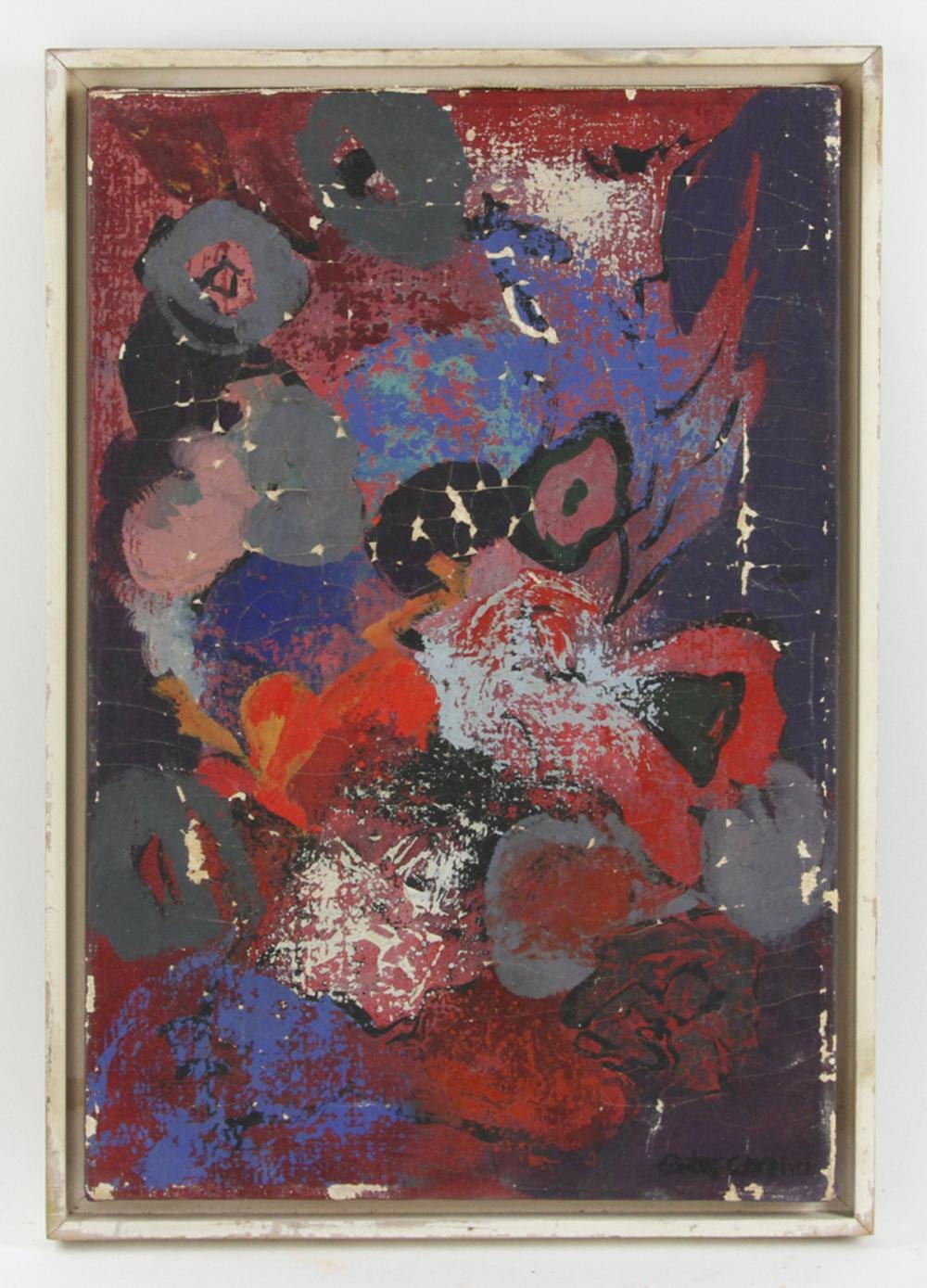
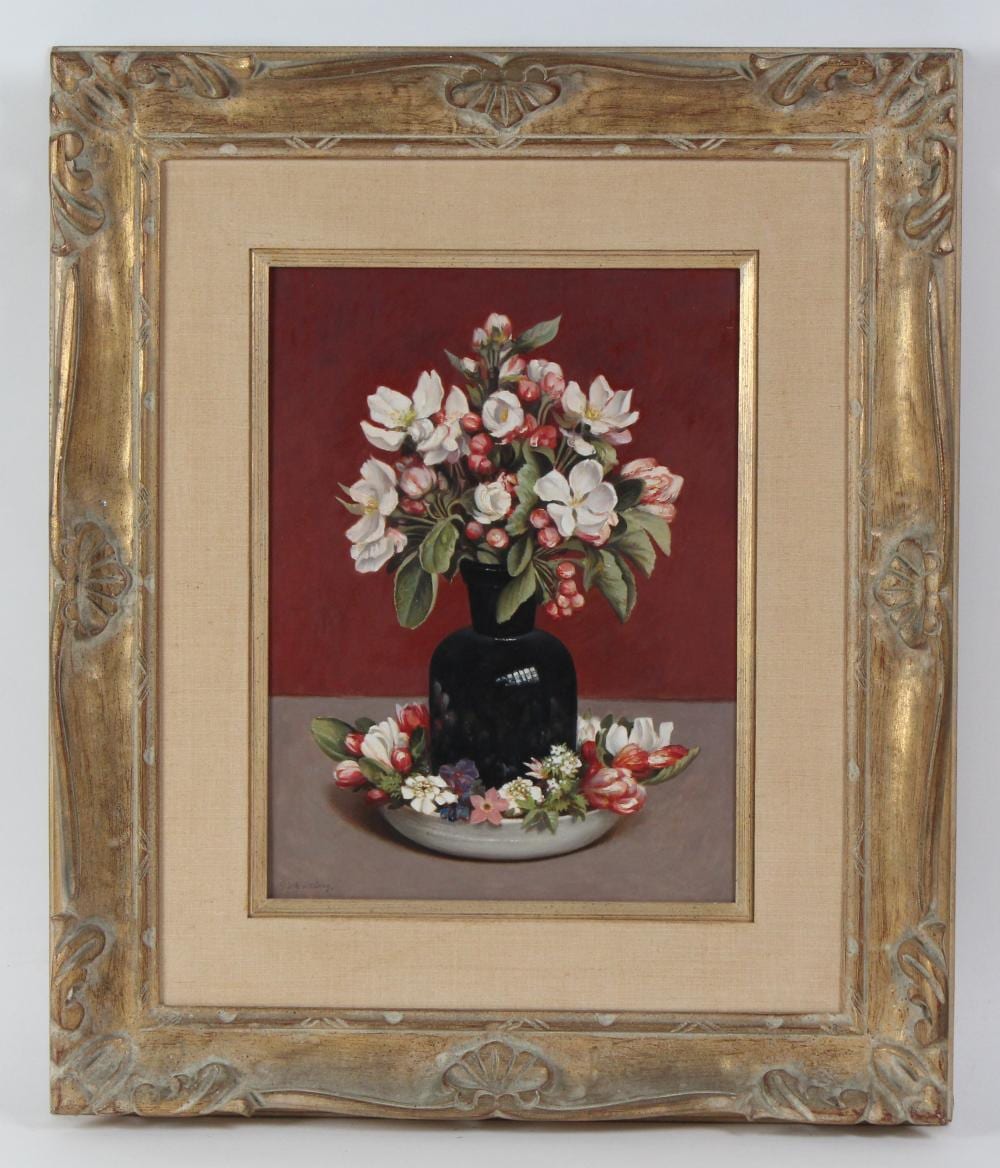
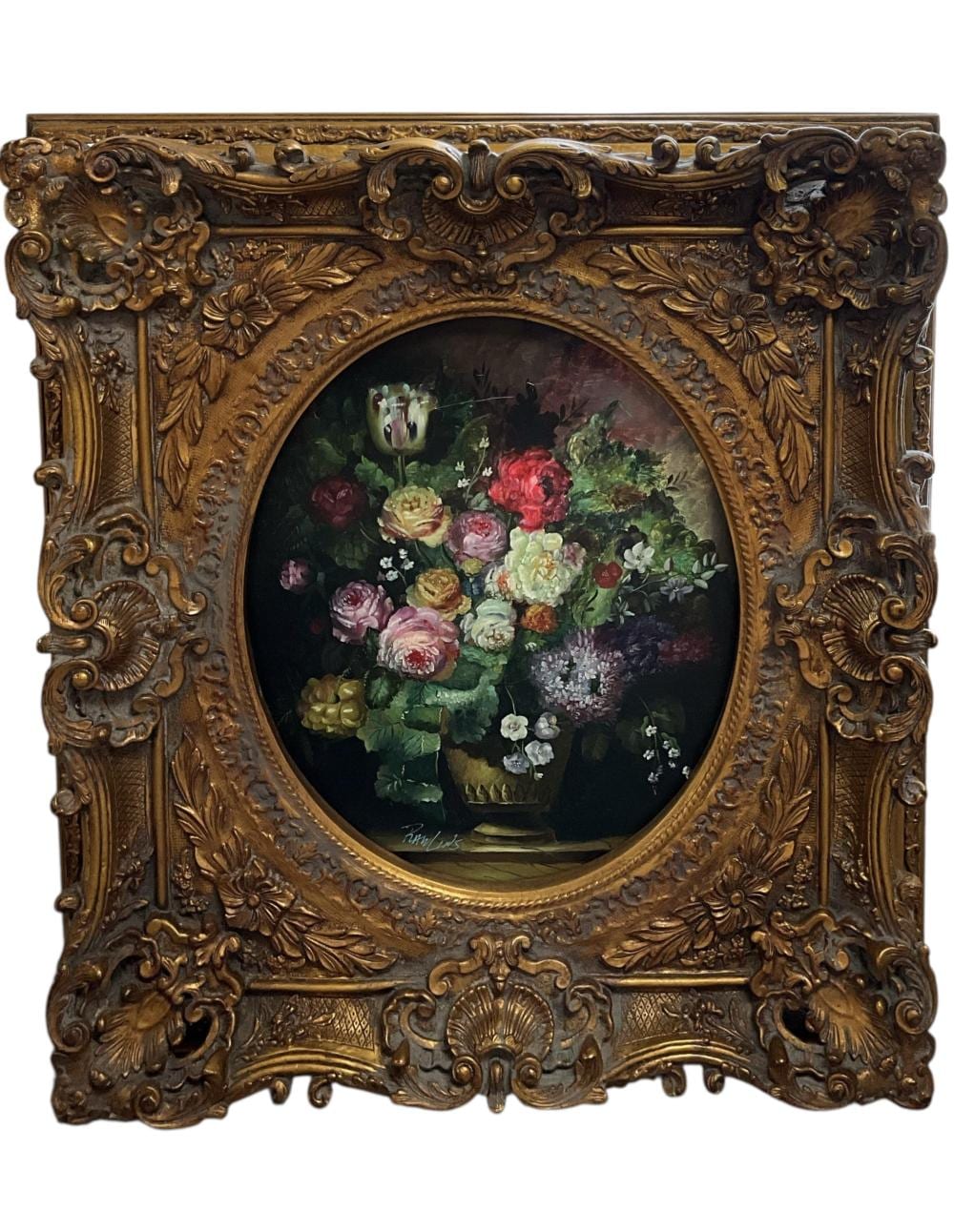
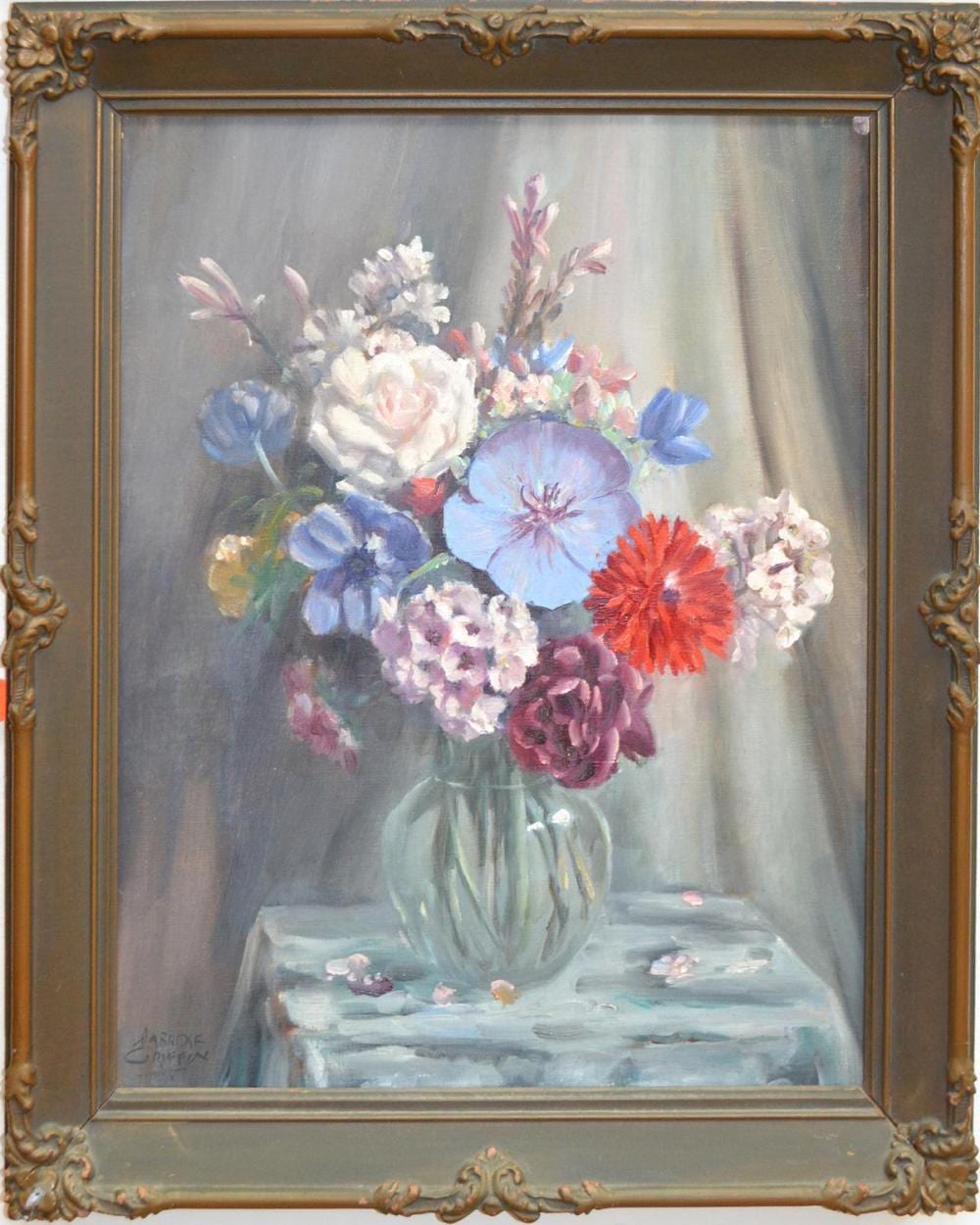
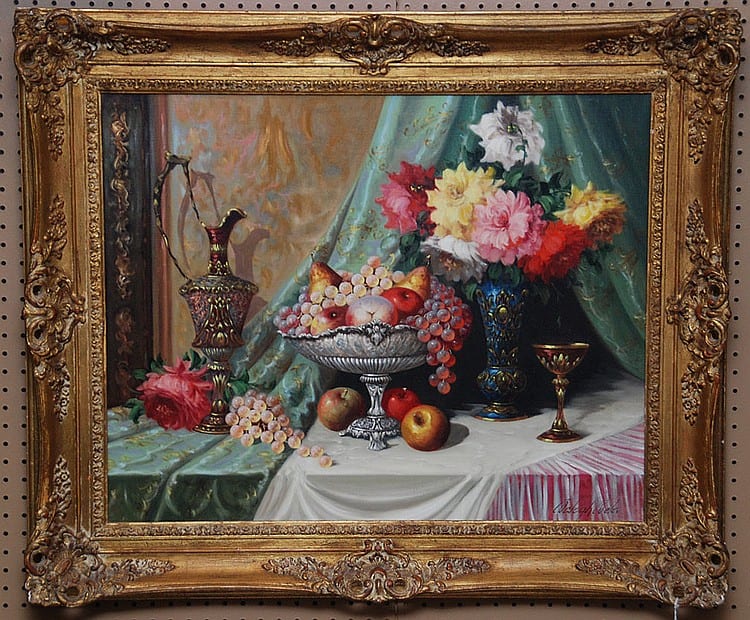
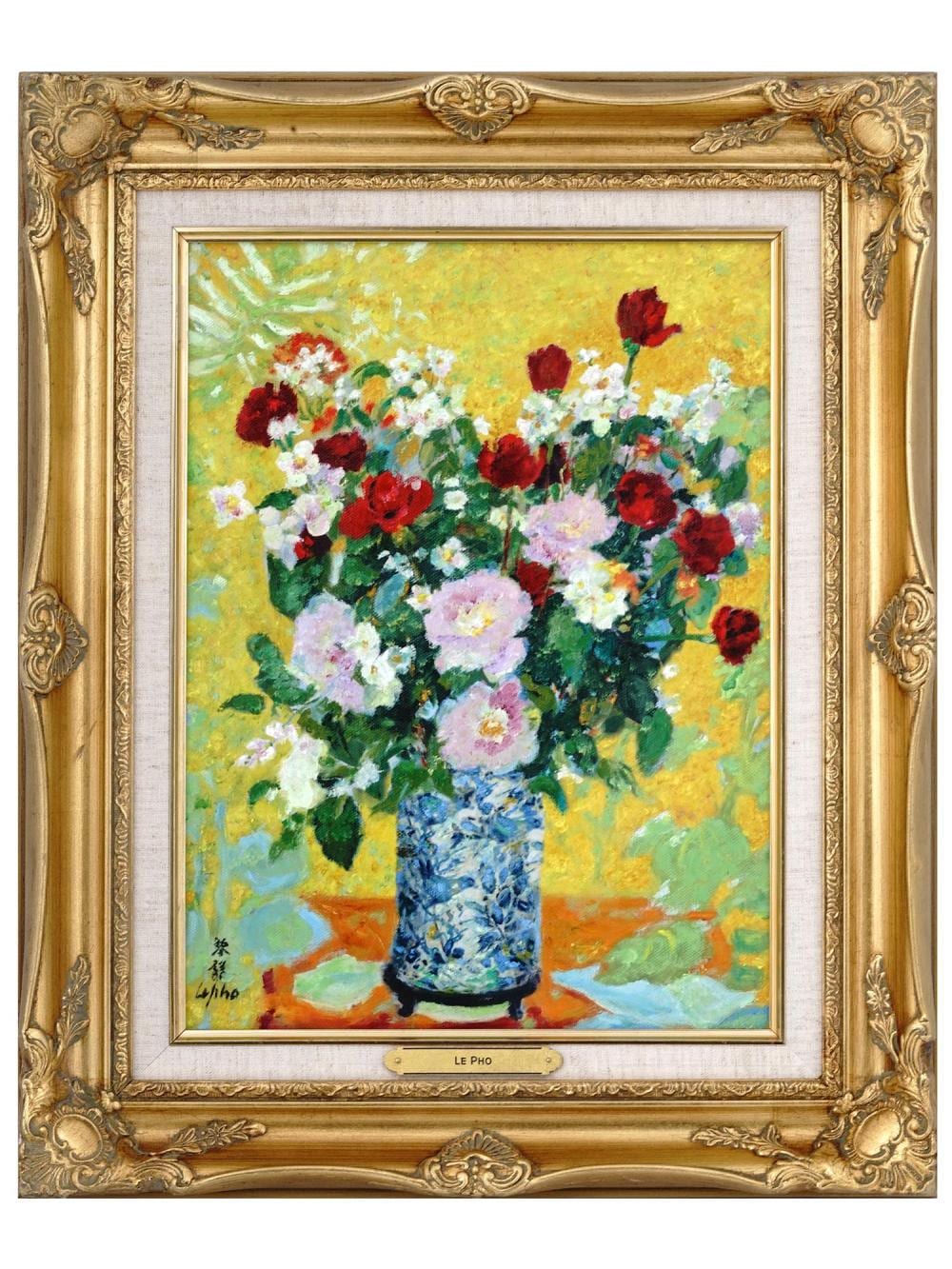
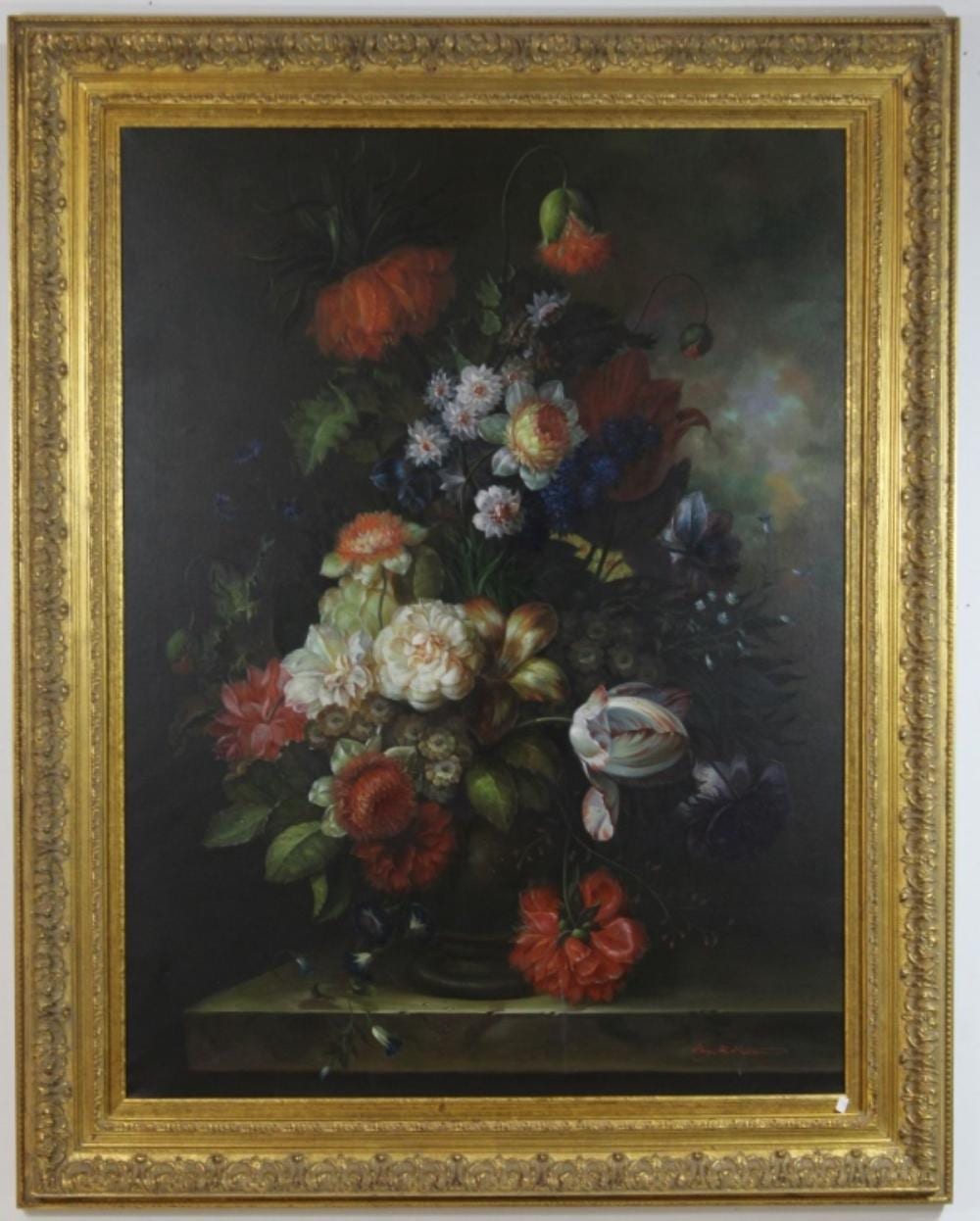
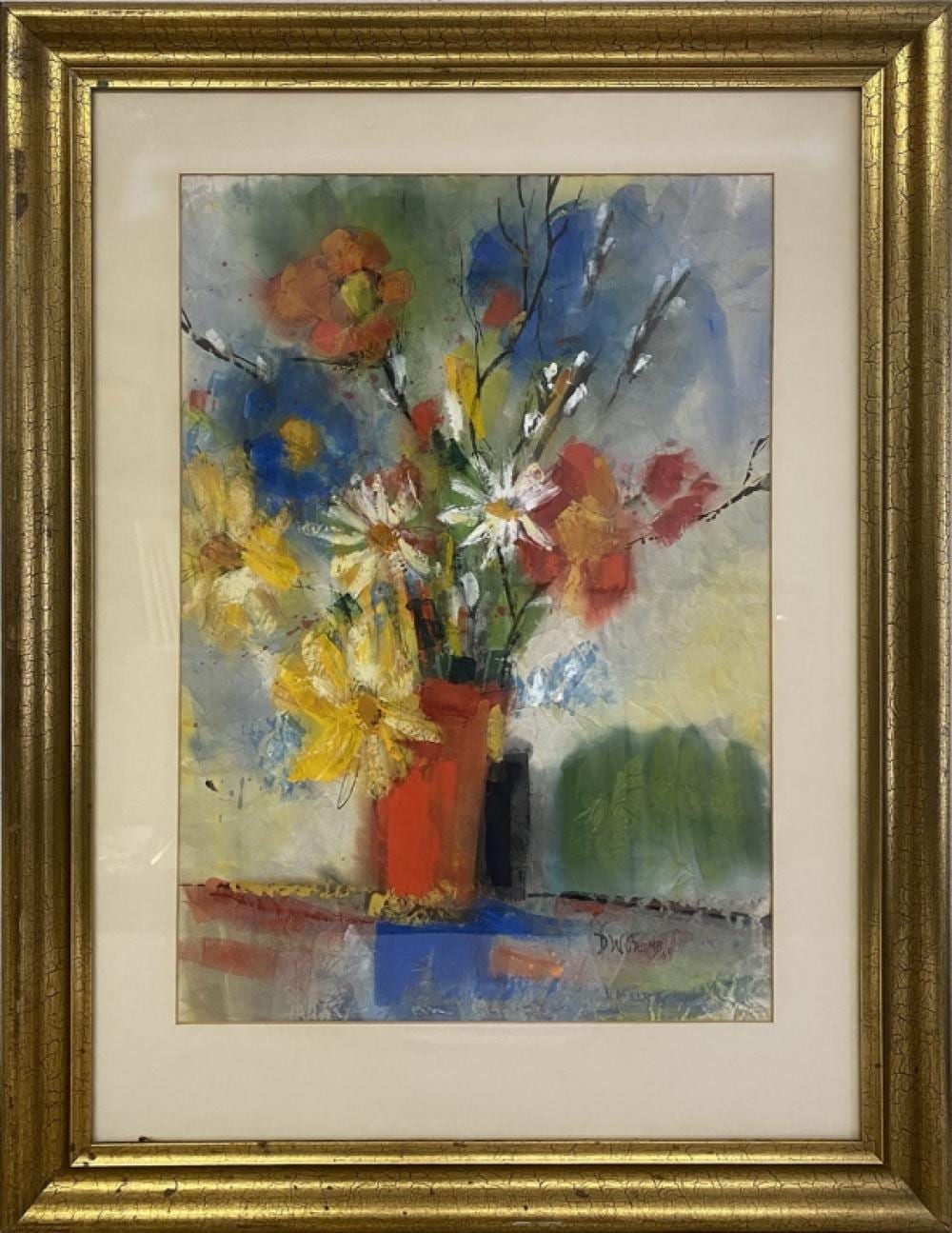
Real auction sales of items like your floral still life. Open a sale to see the original listing.
Shown USD range: USD 25-USD 11,500. Median of these 11 USD examples: USD 250.
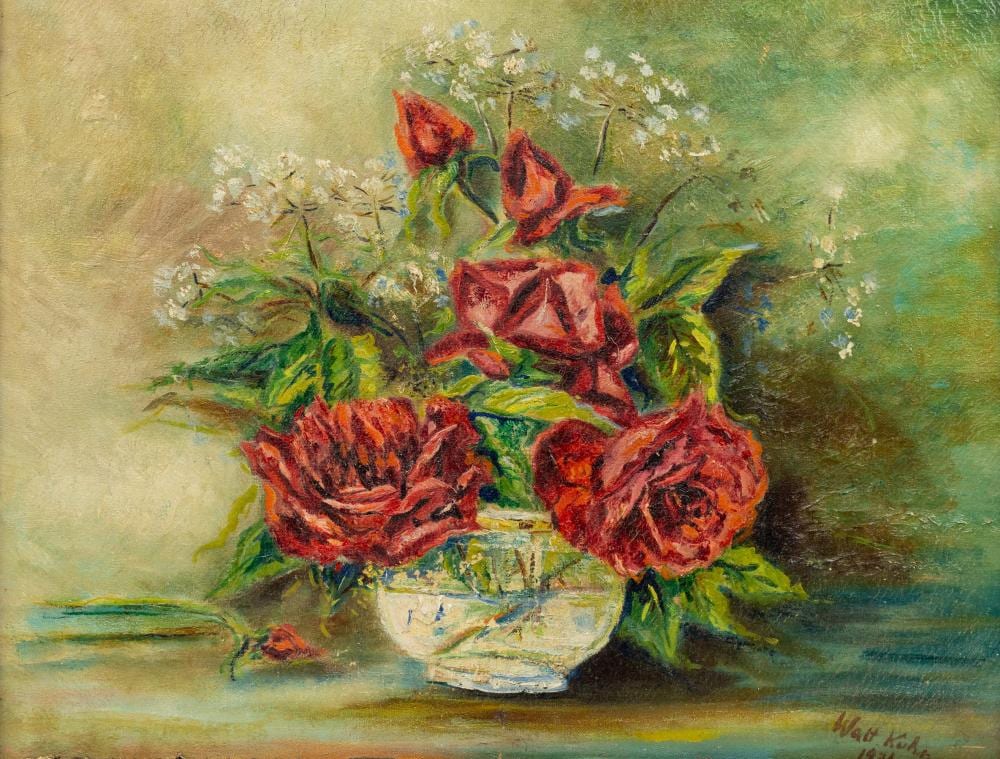
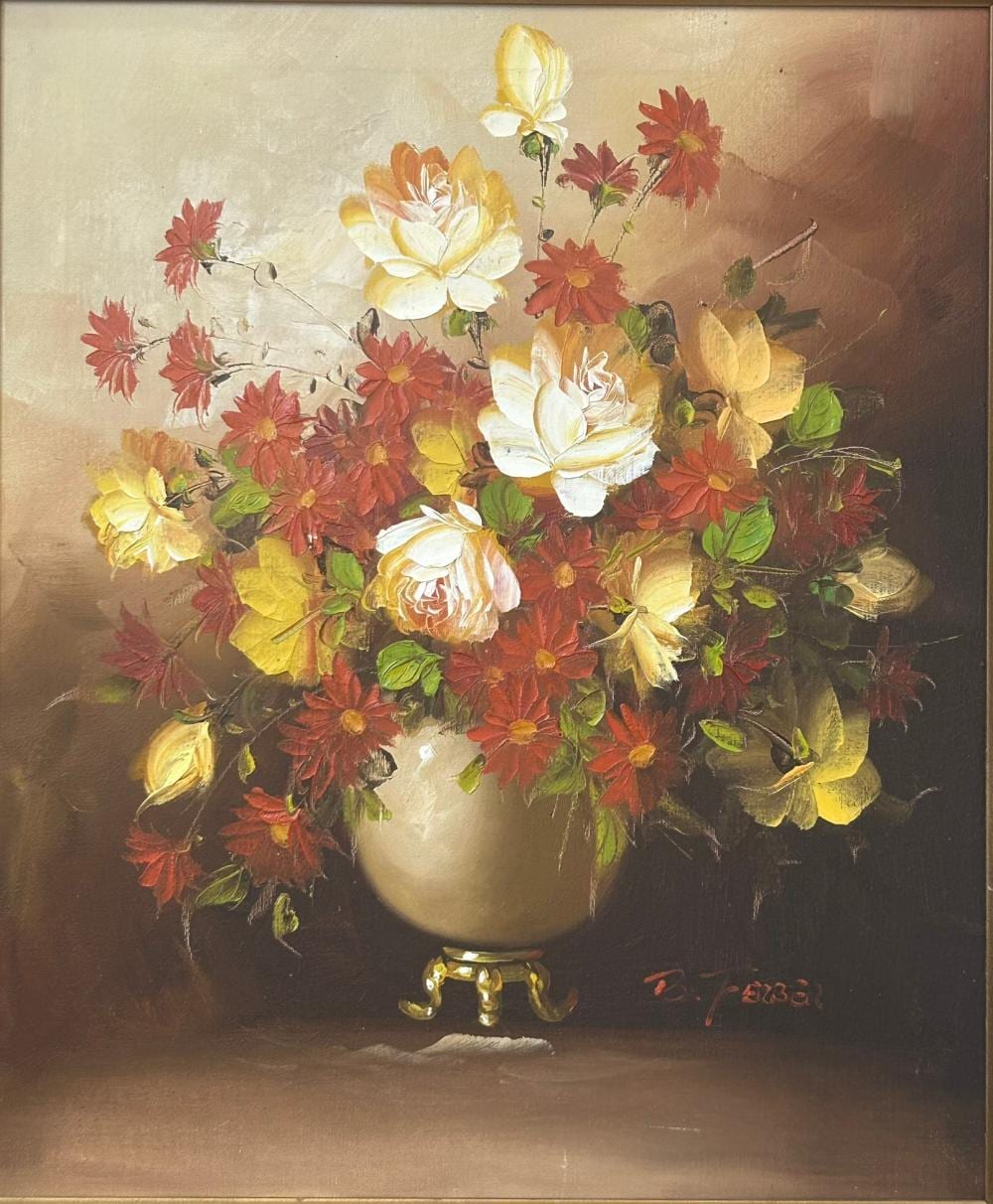
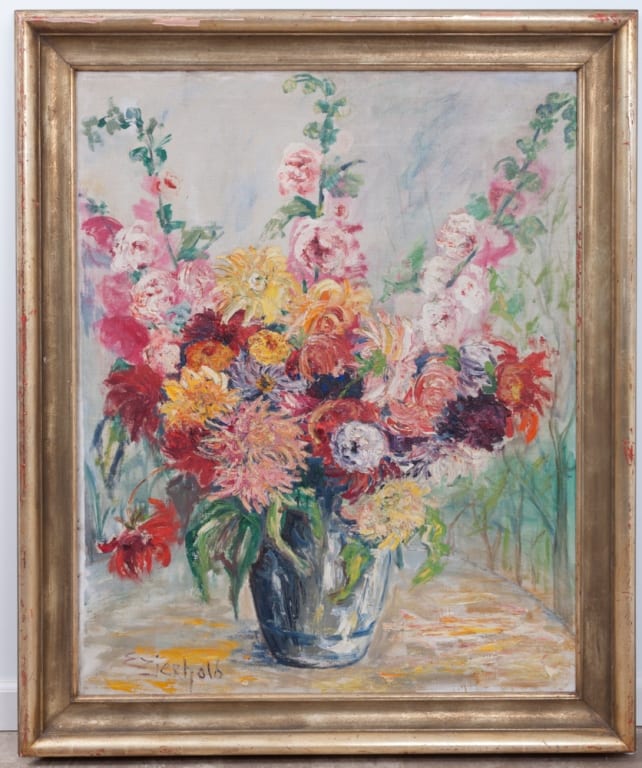
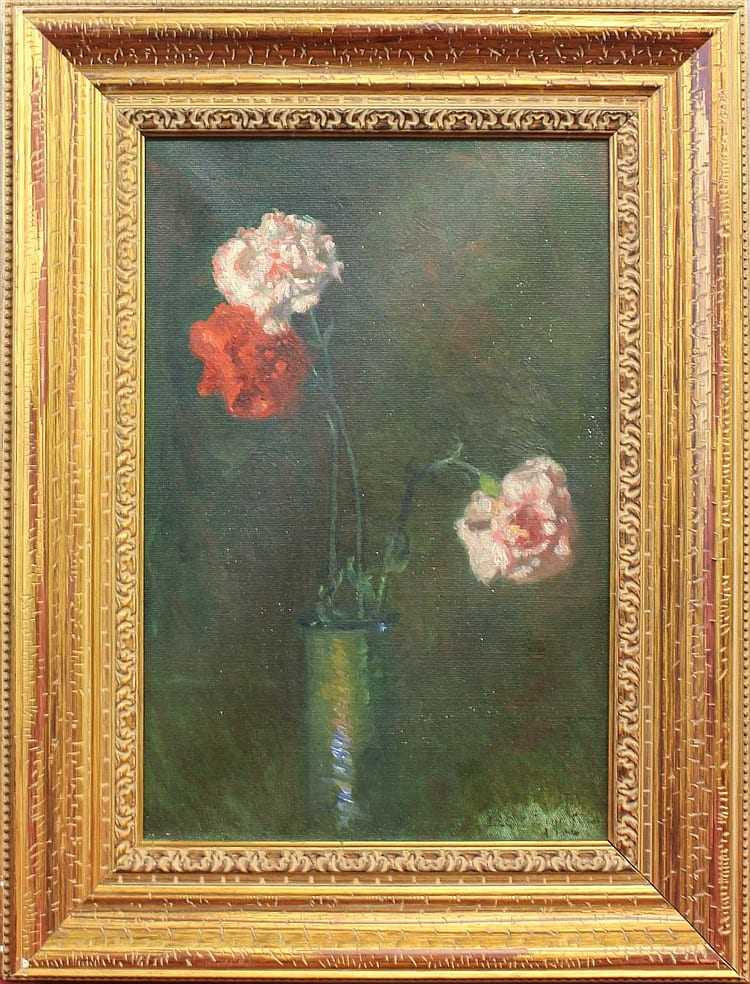
How these auction records were verified
These sales are market context, not an object estimate.
Each row retains its exact source URL, lot identity, retrieval time, access result, and immutable record hash. Live source access was blocked; the exact record matched Appraisily's immutable pipeline provenance. Inspect the public comparable provenance record.
Free photo check
Not sure if your painting is worth appraising? Let us take a look.
Upload a photo, tell us what you know, and get a free photo check. If a full appraisal makes sense, we will say so.
Free. No card needed. Takes about two minutes.
FAQ
Q: How can I quickly tell oil from acrylic on canvas? A: Under magnification, oil often shows softer edges and may have yellowed varnish; acrylic tends to have a more plastic film and crisper pooled edges, especially in pours. A cotton swab with very mild solvent will swell acrylic but will dissolve traditional varnish before oil paint; testing should be left to conservators to avoid damage.
Q: Does a relined canvas reduce value? A: It can, especially for collectors who prize untouched surfaces, but a professional lining that stabilizes an otherwise sound painting is not necessarily a deal‑breaker. Document who performed the treatment and when.
Q: Are ornate frames a sign of age and value? A: Not reliably. Frames are replaced frequently. An original, period frame with maker’s label provides context, but value mostly follows the painting’s authorship, quality, and condition.
Q: My floral painting has no signature. Is it worthless? A: Not at all. Strong, well‑painted, unsigned works with good dating evidence and provenance can perform well, particularly within desirable schools or periods. However, absence of a signature typically narrows the buyer pool.
Q: Do poured “flow” effects ever occur in early 20th‑century works? A: True acrylic pour aesthetics are a post‑1950s phenomenon. Earlier “flow” comes from thinned oils or watermedia and gestural handling rather than gravity‑driven pours.
By combining material analysis, stylistic reading, and documentary evidence, you can confidently identify, date, and appraise a 20th‑century bouquet painting—whether it flows by brush or by pour.


