
An Art Deco Round Top German Grand Father Clock Made in Germany Circa 1930s: appraisal and value basics
An Art Deco Round Top German Grand Father Clock Made in Germany Circa 1930s research should start with identification, condition, provenance, and recent comparable sales. Use this guide to compare the signals that matter before paying for a formal appraisal or deciding whether to sell.
German grandfather clocks from the 1930s sit in a sweet spot for collectors: they are old enough to show real craft and period styling, but recent enough that service knowledge and comparable sales are still obtainable. The phrase “Art Deco round top” typically describes a tallcase (longcase) clock with an arched hood/bonnet and simplified, geometric proportions that fit the late Weimar era into the early 1930s.
The WordPress post we migrated described a German round top tallcase clock in very good condition (likely tinted oak) and suggested an appraisal range of US$1,000–$1,200. Below is a cleaned-up guide to validating that identification and understanding why real-world selling prices can move above or below that baseline.
Free photo check
Not sure if your clock is worth appraising? Let us take a look.
Upload a photo, tell us what you know, and get a free photo check. If a full appraisal makes sense, we will say so.
Free. No card needed. Takes about two minutes.
Description and history
Art Deco was a design movement that shaped furniture, architecture, and household objects between the 1920s and 1930s. On clocks, it often appears as streamlined profiles, geometric veneers, and simplified ornament instead of heavy carving. In German tallcase clocks, a “round top” or arched bonnet is a common Deco-era silhouette.
These clocks were typically built with solid wood frames and veneered panels. Oak (and oak veneer) with a warm, tinted finish is common, and the tall glazed door is meant to show pendulum motion and the quality of the casework.
How to identify maker and date (HAC, Junghans, Kienzle, and others)
Cases can be similar across manufacturers, so the most reliable identification evidence is on the movement. To document your clock for an appraisal, photograph:
- Movement backplate (logo/mark, stamp, and general layout).
- Dial straight-on (any signature, chapter ring details, hand style).
- Weights + chains/cables and the full pendulum assembly.
- Any labels or service notes inside the case.
Common German marks encountered on 1930s tallcase movements include HAC (Hamburg-Amerikanische Uhrenfabrik), Junghans, and Kienzle. If you see multiple marks or missing marks, focus on the movement stamp; cases and movements can be paired or serviced over decades.
Quick visual checklist

- Case profile: arched bonnet, simplified Deco moldings.
- Movement type: chain-driven weights are common; two weights often means time + strike, three often means time + strike + chime.
- Completeness: matching weights, pendulum, and leader present.
- Condition: veneer lifting, water staining at the base, missing glass, or over-refinishing.
Condition factors that change value
Buyers discount heavily for unknown running condition because professional service can cost as much as the clock. The biggest value reducers are missing parts and uncertain movement function.
- Missing weights or pendulum: major value hit.
- Movement issues: stopping, inconsistent strike/chime, or damaged escapement increases service cost.
- Case damage: veneer loss, swelling, odor/water history suggests storage problems.
- Over-restoration: heavy sanding and glossy refinishing can reduce collector appeal.
Appraisal value range (US$)
For a complete, very good-condition Art Deco German round top grandfather clock, a reasonable baseline range is US$1,000–$1,200. Treat this as a starting point: the actual selling price depends heavily on maker attribution, chime complexity, service history, and whether a buyer can pick it up locally.
Values usually move up when the movement is clearly marked (and sought-after), the clock is complete, and you can document recent service. Values move down when parts are missing, when it is not running, or when shipping is required.
How to sell it
If you plan to sell, aim for a listing that reduces buyer uncertainty:
- Include a short video showing the pendulum swinging and the clock striking/chiming on the hour.
- Post clear photos of the movement backplate mark and the full set of weights + pendulum.
- Offer local pickup when possible; shipping is the number-one friction point.
- Consider a clock dealer or consignment shop if you cannot safely transport it yourself.
About the valuation method
Appraisers typically triangulate (1) attribution (maker + era), (2) condition/completeness (case + movement), and (3) market realities (service costs, local pickup vs shipping, and comparable sales when available). For insurance documentation, replacement cost from a dealer may be relevant; for resale, the most useful metric is fair market value given transport and service friction.
What similar items actually sold for
Real auction sales of items like your art deco grandfather clock. Open a sale to see the original listing.
| Comparable | What sold | Auction house | Date | Lot | Source-reported amount |
|---|---|---|---|---|---|
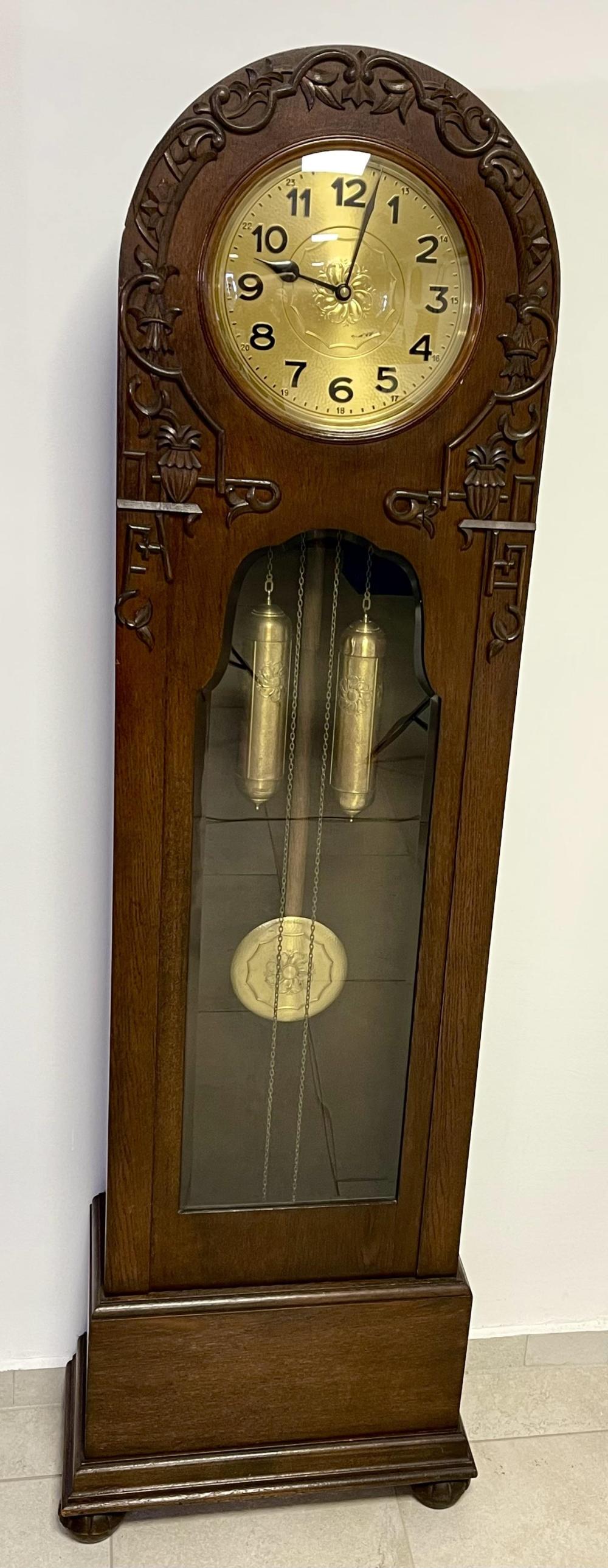 |
Art Deco grandfather clock, 30s. | Auktionshaus Wersching | 2024-06-15 | 461 | EUR 150 |
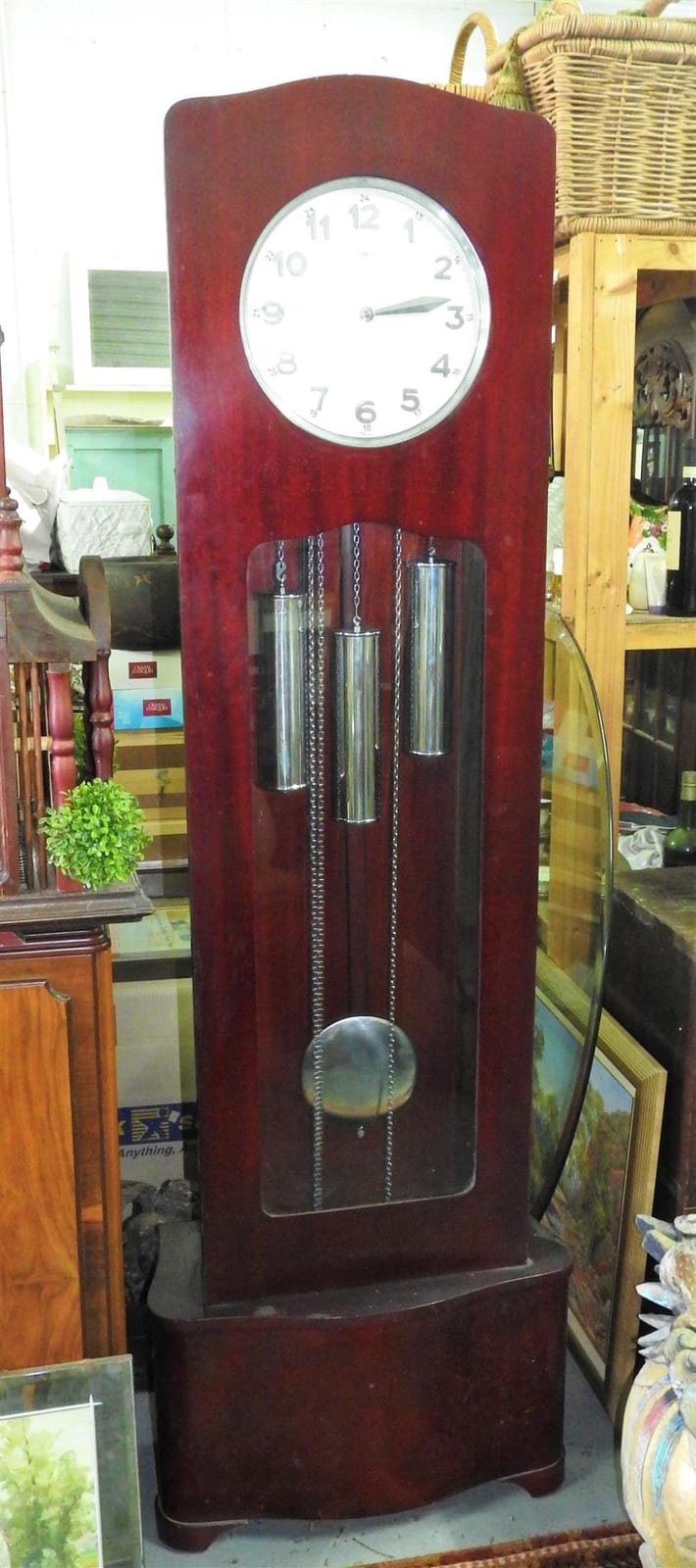 |
A German Art Deco Grandfather Clock - Working | Danielle Elizabeth Antique & Estate Auctioneers | 2020-11-28 | 148 | AUD 240 |
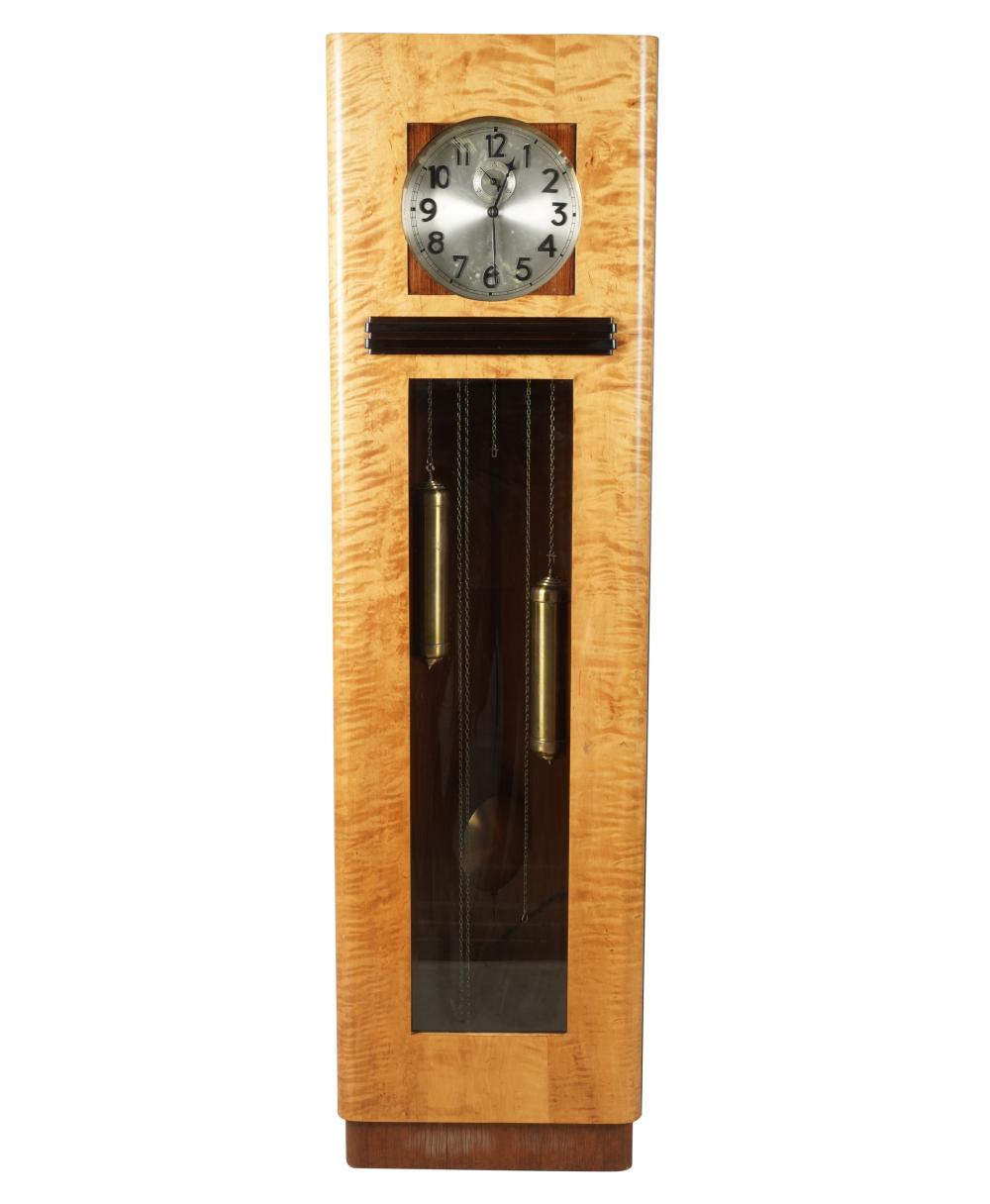 |
A Junghans Art Deco Grandfather Clock | Abell Auction | 2025-06-12 | 382 | USD 200 |
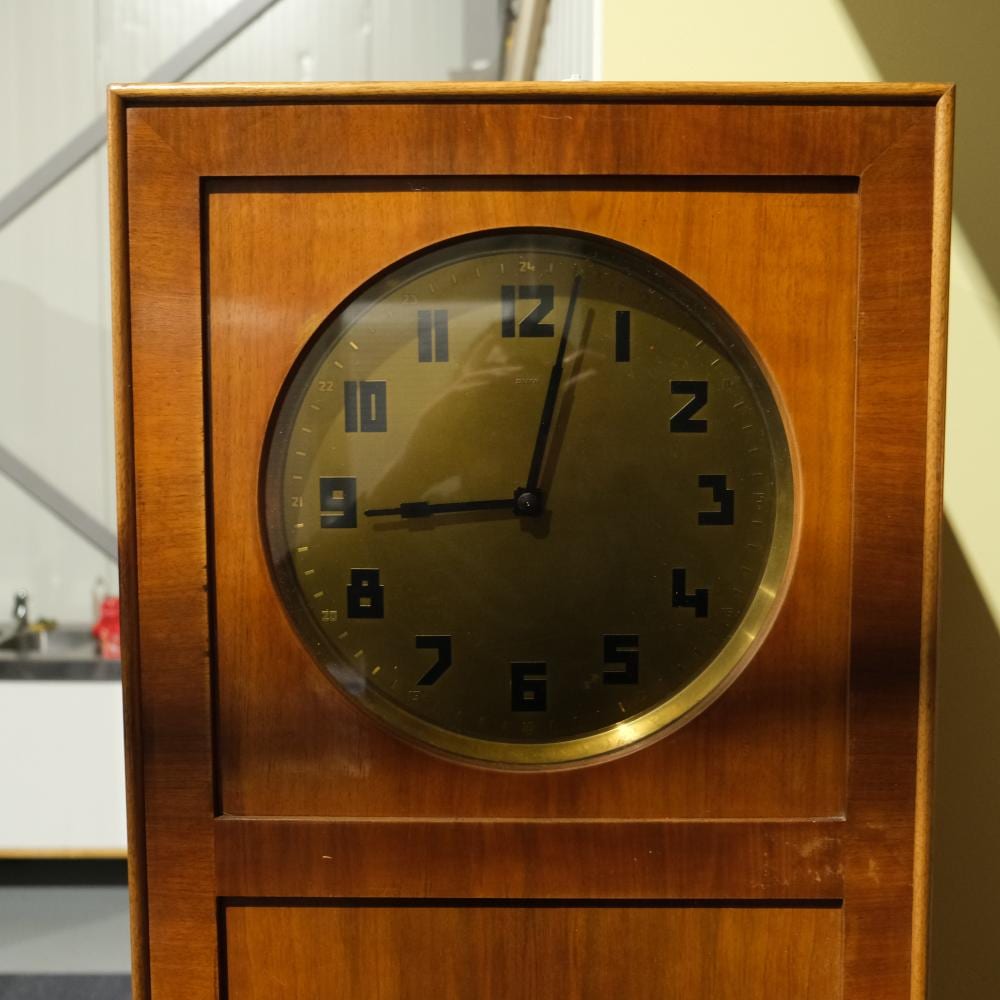 |
German art deco grandfather clock | Ald Fryslan | 2024-01-22 | 101 | EUR 150 |
How these auction records were verified
These sales are market context, not an object estimate.
Each row retains its exact source URL, lot identity, retrieval time, access result, and immutable record hash. Live source access was blocked; the exact record matched Appraisily's immutable pipeline provenance. Inspect the public comparable provenance record.
2026 appraisal checklist update
We refreshed this guide with a tighter valuation workflow so readers can move from rough estimates to defensible numbers faster. Start by defining the appraisal purpose (insurance replacement, fair market value, estate reporting, or pre-sale pricing), because each purpose can change the final range and supporting evidence requirements.
Before requesting opinions, prepare a clean evidence pack: overall photos, detail photos, dimensions, material notes, signatures/marks, condition issues, and provenance records (receipts, family history, prior appraisals). Then compare at least three recent sold comps with similar maker, period, condition, and size. If comps vary widely, note why (restoration, attribution confidence, venue quality, buyer demand).
If you need local in-person support, compare experts in the Art Appraisers Directory and Antique Appraisers Directory. For faster remote turnaround, you can start an online appraisal with Appraisily.
Search variations people use
- What is my German Art Deco grandfather clock worth?
- How to identify HAC grandfather clock marks
- Junghans tallcase clock movement marking guide
- How many weights should a German grandfather clock have?
- How to date a German round top tallcase clock (1930s)
- Best way to sell a grandfather clock locally
- Is it worth servicing an old German grandfather clock?
- What does “round top” mean on a grandfather clock case?