
A Set of Victorian Portrait Paintings: appraisal and value basics
A Set of Victorian Portrait Paintings research should start with identification, condition, provenance, and recent comparable sales. Use this guide to compare the signals that matter before paying for a formal appraisal or deciding whether to sell.
A Set Of Victorian Portrait Paintings
Victorian portraiture is a rich field: from stately oils of patriarchs and pendant brides to intimate miniatures of children and spouses. When portraits survive as a set—whether a pair of spouses, a lineage spanning generations, or a cohesive group by one hand—they tell a deeper story and often command stronger curatorial and market interest than isolated works. This guide outlines how to identify, date, evaluate, and care for a set of Victorian portrait paintings with the rigor expected by collectors and appraisal enthusiasts.
Understanding Sets of Victorian Portraits
“Victorian” spans 1837–1901. Portraits from these decades range widely in medium, style, and purpose, but many form natural sets:
- Pendant pairs: Traditionally a male and female spouse, posed to face one another (the man typically looks left, the woman right), of matching dimensions and frames.
- Family groups: Parents with multiple children painted over years by the same artist, often uniform in background tone and format (bust- or half-length).
- Siblings or generational series: Children painted at similar ages or rites of passage (coming-of-age, academic achievement), sometimes updated later with overpainting.
- Institutional or professional suites: Clergy, civic officials, or business partners rendered with consistent format, attire, and backdrop.
What binds a set is coherence—of size, support and stretcher type, palette, background, lighting, signatures/monograms, and frames. The presence of uniform back-of-canvas labels, framer stamps, or canvas-maker marks across the group is persuasive.
Sets are sometimes broken; finding two halves of a pendant pair with mismatched frames is common. Reuniting pendants or related sitters can restore historical meaning and value.
Dating and Attribution: Visual Cues and Evidence
Dating and attribution in Victorian portraiture are most reliable when visual analysis is tightly coupled with material and documentary evidence.
Key visual cues by decade (approximate):
- Late 1830s–1840s:
- Women: Central hair part, smooth crown with clusters of ringlets near ears; sleeves may be gigot (earlier) transitioning to tighter; jewelry modest.
- Men: Clean-shaven or light whiskers; high shirt collars with cravats; narrow lapels.
- Backgrounds: Cool, studio-inspired; stylized furniture.
- 1850s:
- Women: Wide crinolines; off-the-shoulder bodices; bonnet ribbons; hair arranged close to the head.
- Men: Increasing facial hair; waistcoats with watch chains; frock coats.
- 1860s:
- Women: Crinoline peaks mid-decade, then shifts toward a nascent bustle; hair nets; more jewelry.
- Men: Full beards more common; broader lapels.
- 1870s:
- Women: Prominent bustle; bodices with elaborate trimming; chignons; cameo and jet jewelry.
- Men: Sack suits; patterned ties; fashionably groomed facial hair.
- 1880s:
- Women: High necklines, tight bodices; pronounced bustle earlier in the decade then tapering; hair piled high.
- Men: Lounge suits; collars lower; moustaches fashionable.
- 1890s:
- Women: Leg-of-mutton sleeves; tailored bodices; Gibson Girl coiffure toward the end.
- Men: Three-piece suits; detachable collars; moustaches persist, beards recede.
Accessories and props (books, instruments, military insignia) can narrow date and social role. Military uniforms, medals, and regimental facings are especially diagnostic. Academic or professional regalia (cassocks, surgeon’s frocks, barrister’s wigs) likewise signal identity.
Attribution and sitter identity:
- Signatures and monograms: Victorian portraitists often signed discreetly at lower right or along a shadow; monograms can be small and require raking light. Be alert to later additions—signatures added posthumously tend to fluoresce differently under UV.
- Labels: Back-of-frame or stretcher labels for carvers and gilders, artists’ studios, or exhibition venues (e.g., Royal Academy) aid attribution and dating. Handwritten sitters’ names in iron gall ink on stretchers or backing boards are common.
- Canvas or board maker stamps: Winsor & Newton, Roberson, and other British suppliers used particular stamp forms that changed across decades; consistent stamps across a set support cohesion.
- Documentary matches: Compare depicted costume and age against family records. A named sitter across several paintings in a set is a powerful authenticity anchor.
Remember that later Victorian portraits may be painted from photographs. The tell-tales include vignetted, photo-like backgrounds, precise but somewhat flattened modeling, and stiff, centered poses. Painted-from-photo doesn’t reduce authenticity, but it informs dating and expectations of style.
Materials, Frames, and Conservation Considerations
Victorian sets mix mediums: oil on canvas dominates, but you will encounter watercolors, pastel portraits, and miniature portraits on ivory, card, enamel, or porcelain plaques.
Supports and technique:
- Oil on canvas: Two- or three-ply linen canvases; machine-woven, often with moderate to fine weave by mid-century. Grounds range from warm buff to gray; a pale warm ground is frequent in portraiture to favor flesh tones.
- Panel portraits: Less common than on canvas, but mahogany and other hardwood panels are used, especially for small busts or cabinet-sized works early in the period.
- Watercolor: High-quality rag papers; spotting and “foxing” occur with acidic mounts. Tell-tales of Victorian technique include gum arabic heightening and Chinese white (zinc white), introduced commercially in the 1830s.
- Pastel: Powdery pigment on textured paper or canvas, nearly always glazed. Look for original gilt slips and spacers.
- Miniatures:
- Ivory: Thin ovals/rectangles with visible Schreger lines (cross-hatching) when backlit; transparent watercolor in minute strokes. Ivory is hygroscopic; expect slight warping or shrinkage cracks.
- Enamel on copper: Glassy, hard-surfaced; brilliant color; often unsigned but sometimes with workshop marks.
- Porcelain plaques: Finely painted; the reverse may have impressed factory marks. Many 19th-century plaques are continental, but they were avidly collected in Victorian Britain.
Typical paint and varnish features:
- Pigments: Prussian blue, chrome yellow, emerald green, and later synthetic pigments appear; bitumen-rich glazes can cause alligatoring and wrinkling.
- Craquelure: Age-consistent, fine network across the surface. Traction crackle from overlean layers or overfast drying differs from random age craquelure; in portraits, retouched flesh can have different crack patterns than garments or background.
- Varnish: Mastic or copal varnishes yellow and bloom over time. Many Victorian portraits were relined and revarnished in the early 20th century.
Frames and presentation:
- Compo-and-gesso gilt frames dominate. Swept and Rococo Revival frames (1850s–70s) for grandeur; later Aesthetic Movement taste favors ebonized or reeded frames with gilt liners (1870s–80s).
- Pendant pairs usually share identical profiles and sight sizes; look for matching maker’s stamps and consistent corner miters and ornaments.
- Original frames matter: a set with original, coherent frames is more desirable. Flesh tones were often tuned to the warm tone of original gilding; reframing can alter visual balance.
Conservation considerations (especially for sets):
- Oils: Common issues include overcleaning (chalky flesh), discolored varnish, heat relining, cupping paint, and tack holes along multiple edges signaling past reframing.
- Watercolors/pastels: Acid burn from mounts, light fade (aniline dyes), and insect grazing. Pastel friability demands minimal vibration and glazed protection.
- Miniatures: Ivory cracking or delamination, paint lift from humidity swings; loose bezels, tarnished mounts. Handle minimally and store in stable RH.
- Frames: Compo ornaments detach, gesso cracks, corner joints open. Retaining original frames may justify skilled conservation rather than replacement.
For any treatment, align efforts across the entire set so tonality, varnish gloss, and glazing are consistent. Varied interventions can fracture the perceived cohesion.
Appraisal Approach: Value Drivers and Market Context
Appraising a set is not merely summing individual works. Cohesion and narrative elevate interest and value.
Primary value factors:
- Artist attribution:
- Securely signed and documented works by listed Victorian portraitists command strong prices.
- “Attributed to,” “Circle of,” or “Follower of” designations lower estimates but can still perform well with quality and condition.
- Sitter identity: Named sitters with researchable biographies (military officers, clergy, industrialists) add depth. Uniforms, regalia, or inscribed documents within the painting corroborate identity.
- Quality: Lifelike modeling of flesh, convincing hands, confidently handled fabrics, and psychological engagement are hallmarks of higher-tier portraiture.
- Medium and size:
- Oils, especially life-size or three-quarter-length portraits, are traditionally valued above small cabinet oils.
- Miniatures have a dedicated market; rarity of subject and finesse of execution drive pricing.
- Condition and originality: Surface integrity, minimal overpaint, stable varnish, and original frames weigh heavily. Excessive restoration reduces confidence.
- Provenance: Family descent, exhibition history, gallery labels, and archival documentation enhance desirability.
- Cohesion of the set: Matching dimensions, frames, inscriptions, and maker stamps elevate “set value.” Reunited pendants often outperform separated comparables.
Market observations:
- Pendant pairs of spouses typically bring a premium over single sitters, especially with original matched frames and clear identities.
- Children’s portraits—particularly of the 1840s–1860s with high-quality execution—see steady demand.
- Portraits painted from photographs can be more affordable than life-sittings by the same hand, but high finish and strong likeness can offset this.
- Regional and provincial artists: Quality varies widely, but strong provincial portraiture remains collectible, especially when narrative (ship captains, trades, Nonconformist ministers) is compelling.
For valuation, assemble comparables that match the most important variables: artist or school, size and format, sitter type, condition, and whether works were offered as pairs/sets. Note how original frames and labels correlate with realized prices.
Quick Checklist for Assessing a Set
- Confirm cohesion:
- Matching dimensions, stretcher types, canvas/board maker stamps, and frame profiles.
- Pendant orientation: figures facing inward toward each other.
- Date from costume and hair, cross-check with materials:
- Use decade-specific fashion cues.
- Look for canvas/board and supplier stamps consistent with the date.
- Inspect signatures and inscriptions:
- Raking and UV light for hidden monograms and later additions.
- Back-of-canvas notes, exhibition labels, framer tags.
- Evaluate condition consistently across the group:
- Varnish color and gloss uniformity.
- Overpaint or abrasion at the same types of areas (faces/hands).
- Structural issues: relining, panel splits, mount acidity.
- Assess frames:
- Originality, maker labels, and ornament consistency.
- Structural soundness; note lost compo or gesso cracks.
- Weigh provenance and narrative:
- Named sitters, family descent, institutional ties.
- Evidence that the works were intended as a set.
- Decide on conservation:
- Minimal, reversible interventions.
- Treat as a group to preserve visual coherence.
What similar items actually sold for
Real auction sales of items like your victorian portrait painting. Open a sale to see the original listing.
Shown USD range: USD 25-USD 650. Median of these 10 USD examples: USD 125.
| Comparable | What sold | Auction house | Date | Lot | Source-reported amount |
|---|---|---|---|---|---|
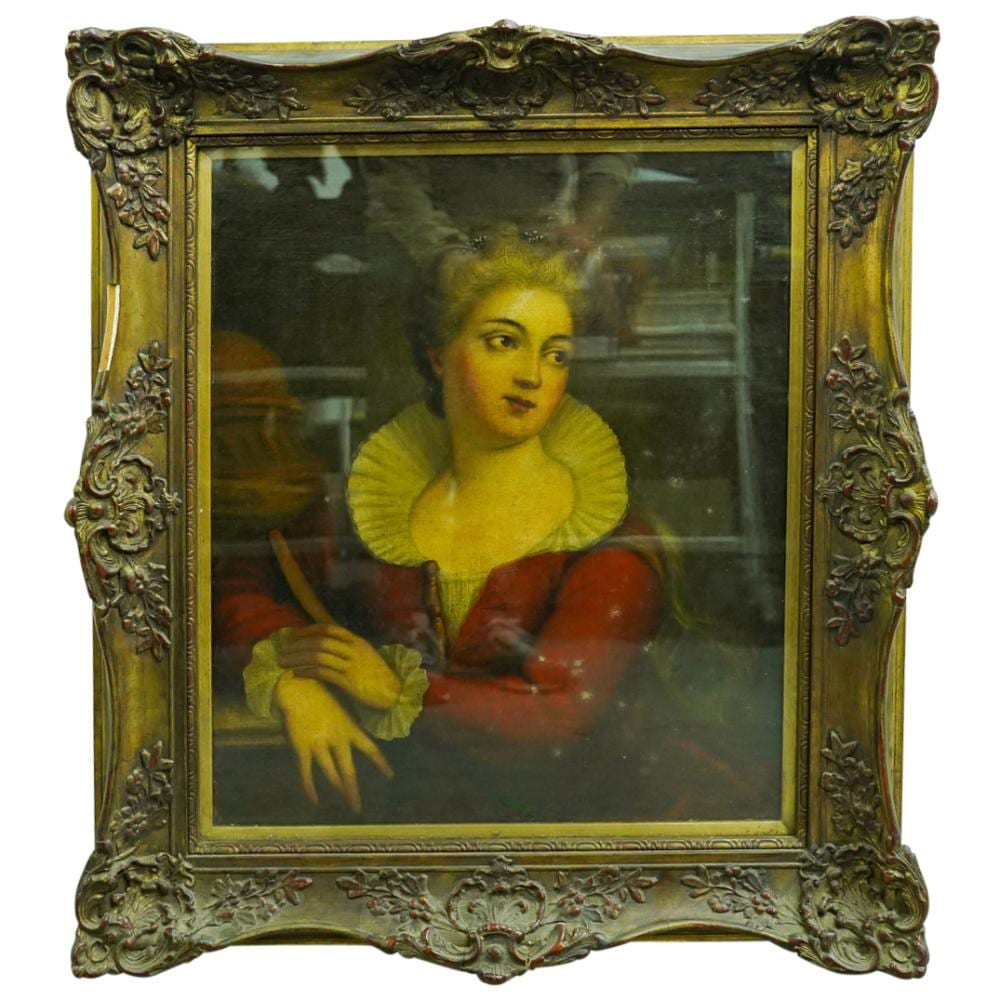 |
(European School) 19th C. Oil on Canvas Victorian Portrait Painting | Akiba Galleries | 2024-06-20 | 516 | USD 175 |
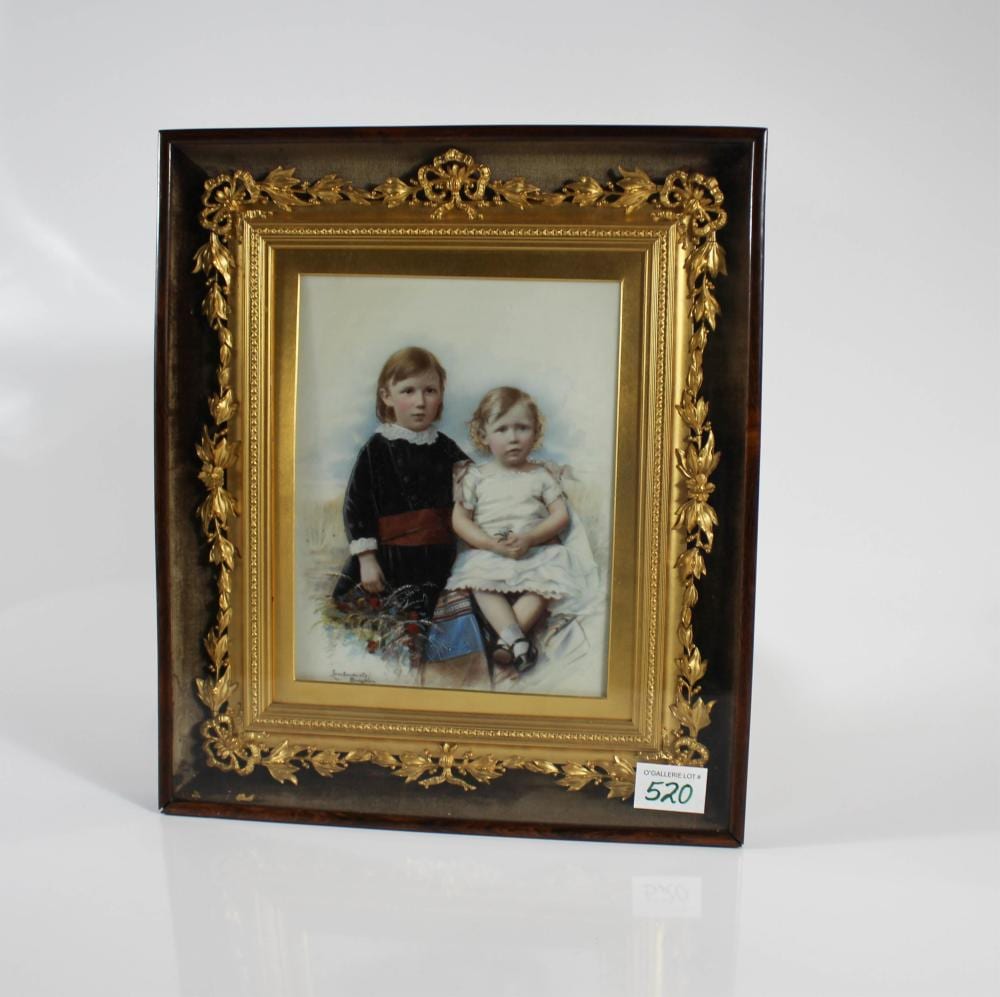 |
VICTORIAN PORTRAIT PAINTING ON WHITE GLASS | O'Gallerie | 2026-06-09 | 520 | USD 100 |
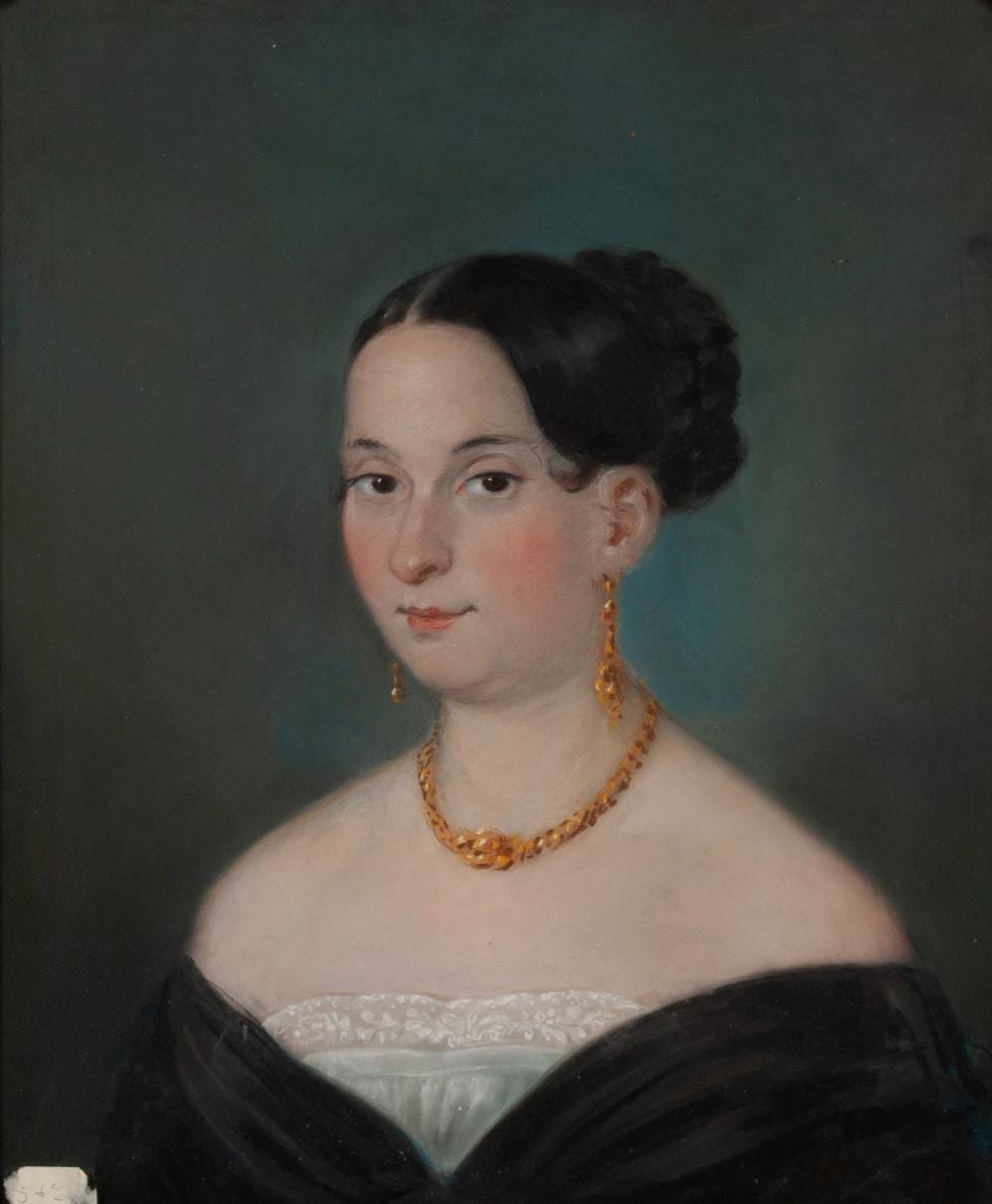 |
VICTORIAN PASTEL PORTRAIT PAINTING OF A LADY | Selkirk Auctioneers & Appraisers | 2022-10-15 | 101 | USD 350 |
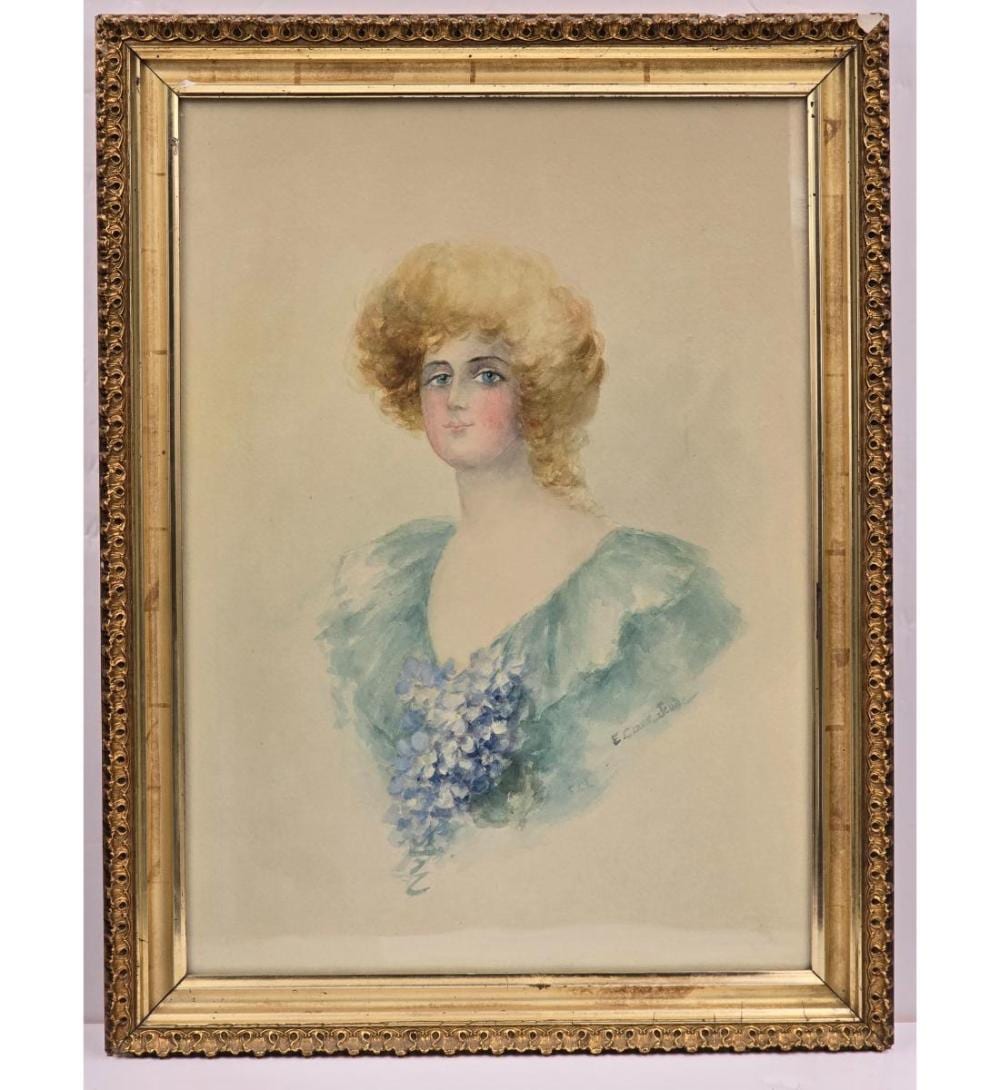 |
A Victorian Portrait Watercolor Painting Signed | RB Fine Arts | 2024-07-27 | 103 | USD 25 |
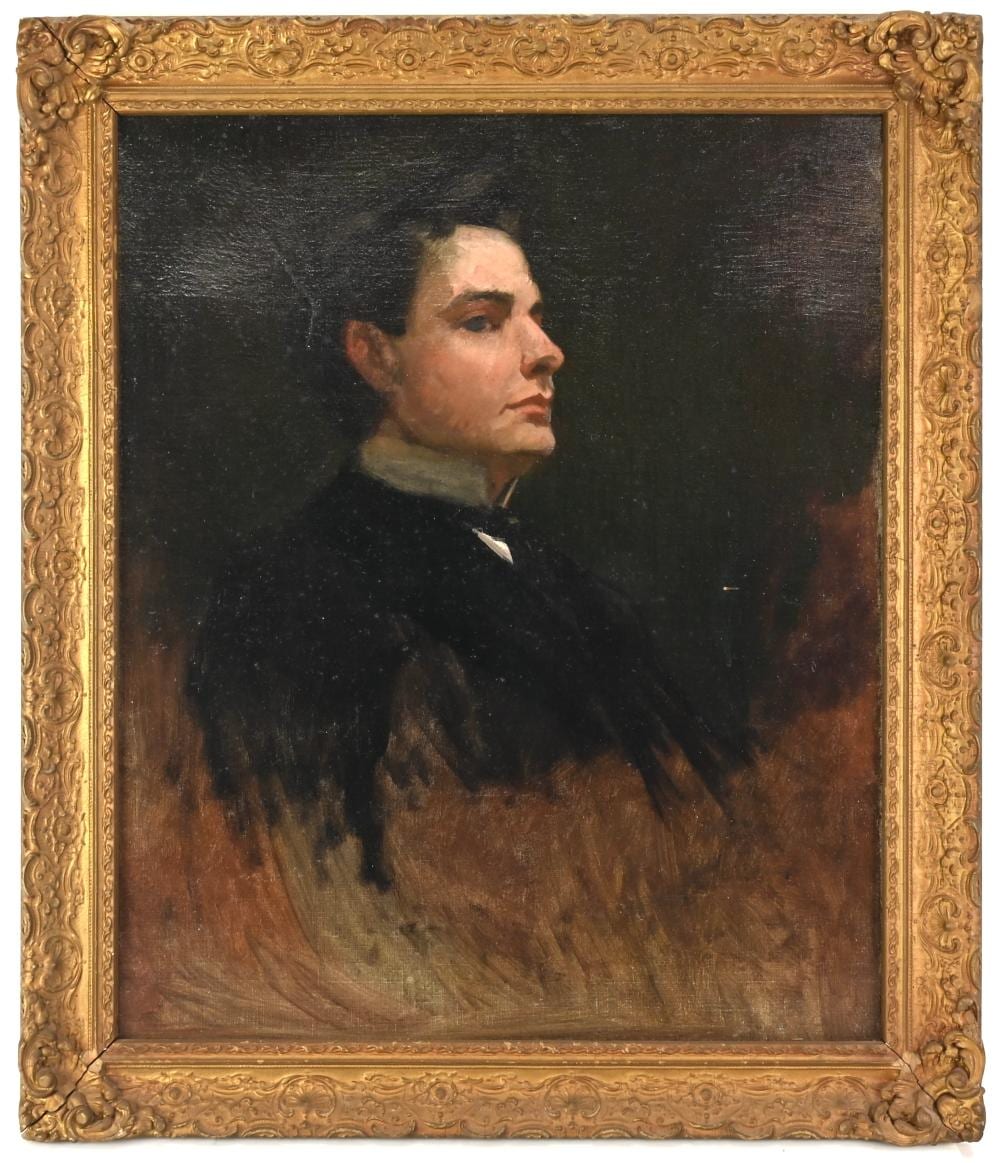 |
Very Fine Victorian Framed Portrait Painting | Mebane Antique Auction | 2025-12-05 | 416 | USD 300 |
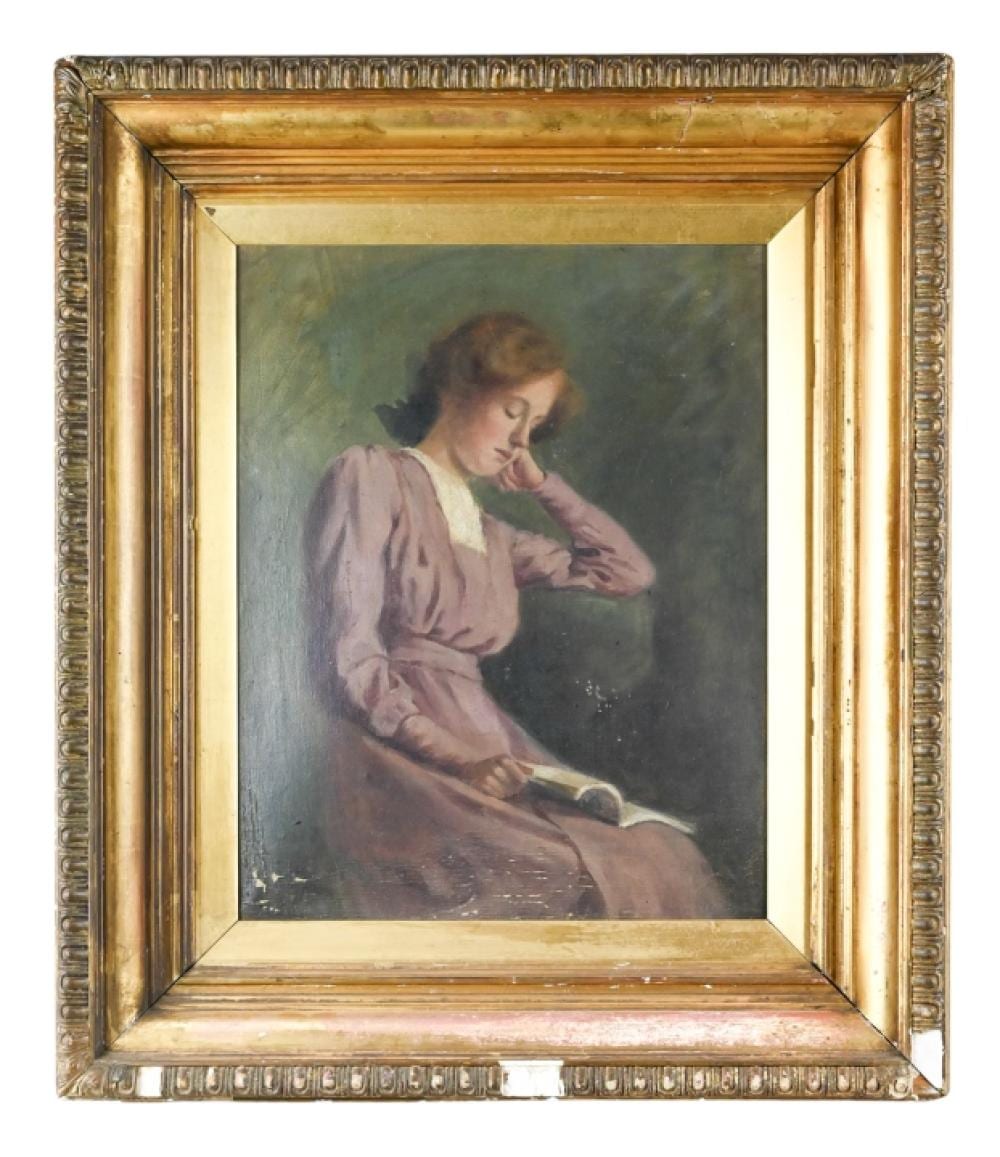 |
Victorian 19th C Oil Painting Portrait of Woman | Greenwich Auction | 2024-11-07 | 21 | USD 150 |
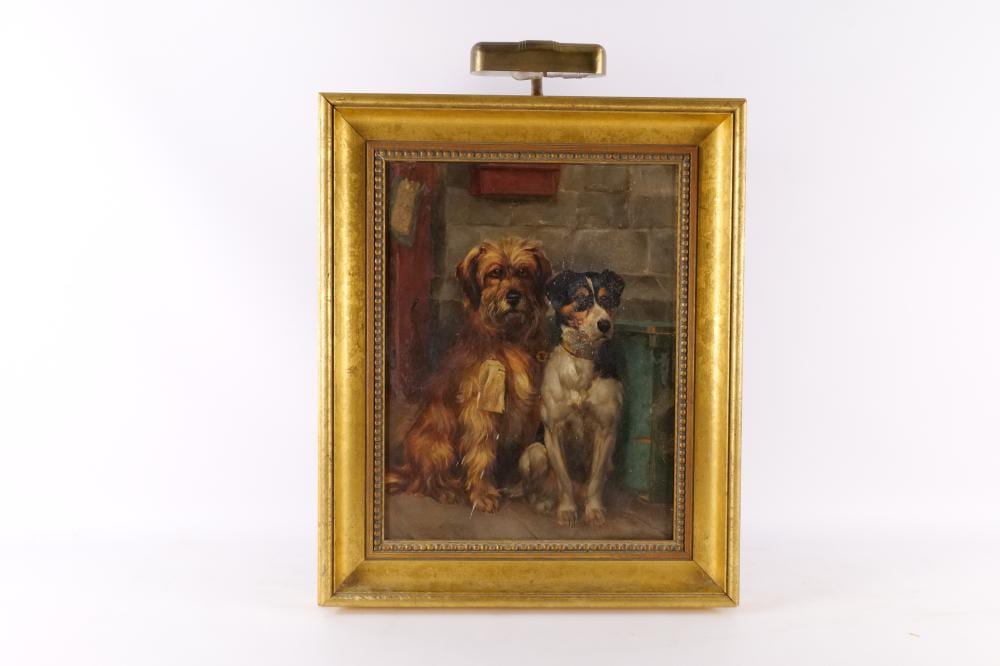 |
19th Century Victorian Oil Painting - Dog Portrait | Bodnar's Auction Sales | 2026-06-17 | 52 | USD 650 |
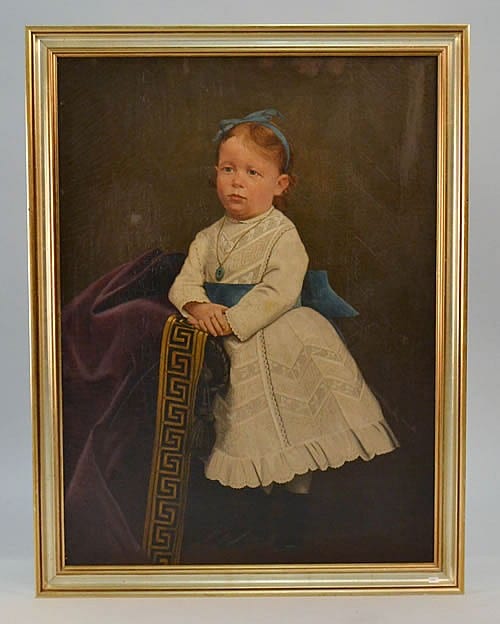 |
19TH CENT. VICTORIAN OIL PORTRAIT PAINTING OF A CHIKLD | Keene Auctions | 2015-01-25 | 194 | USD 100 |
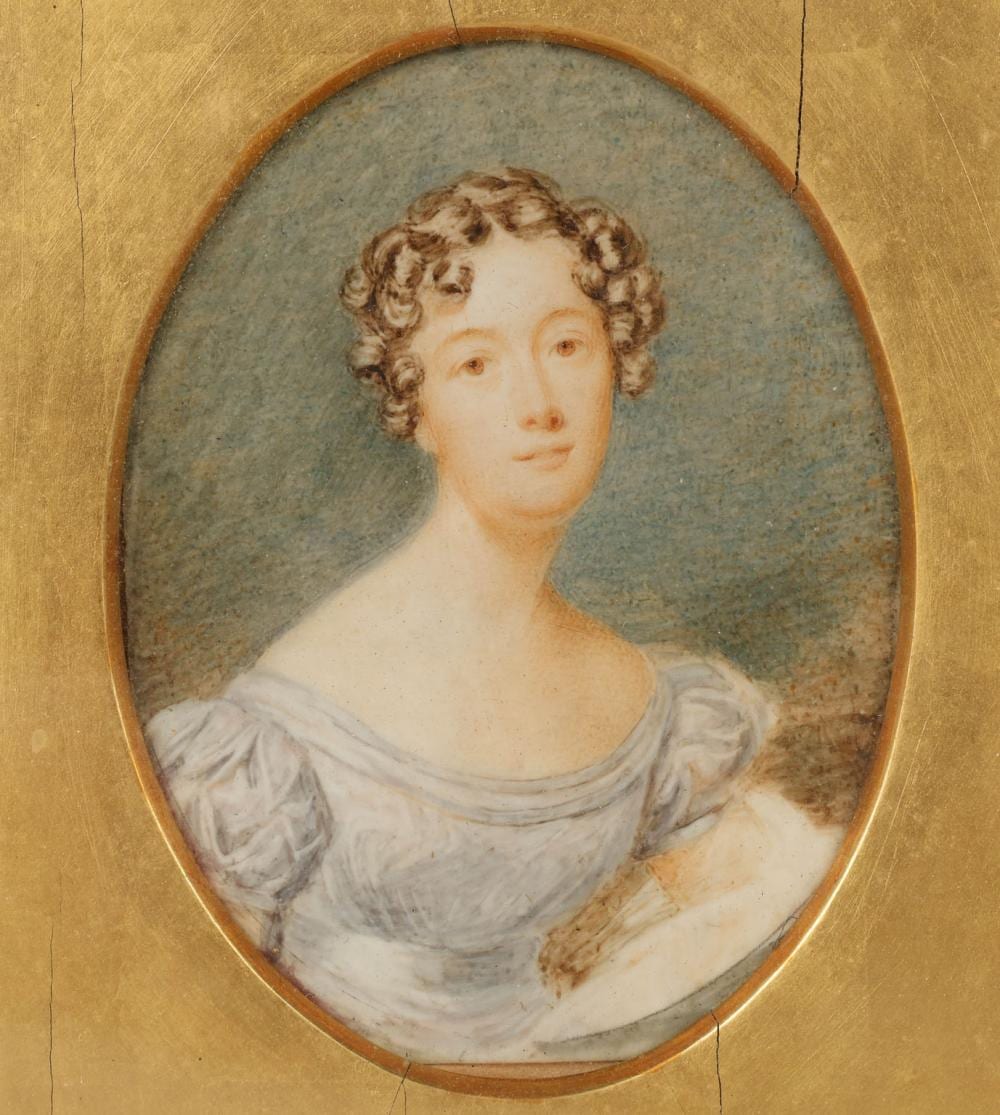 |
Victorian Portrait Painting of a Woman in White | Hill Auction Gallery | 2026-04-15 | 469 | USD 25 |
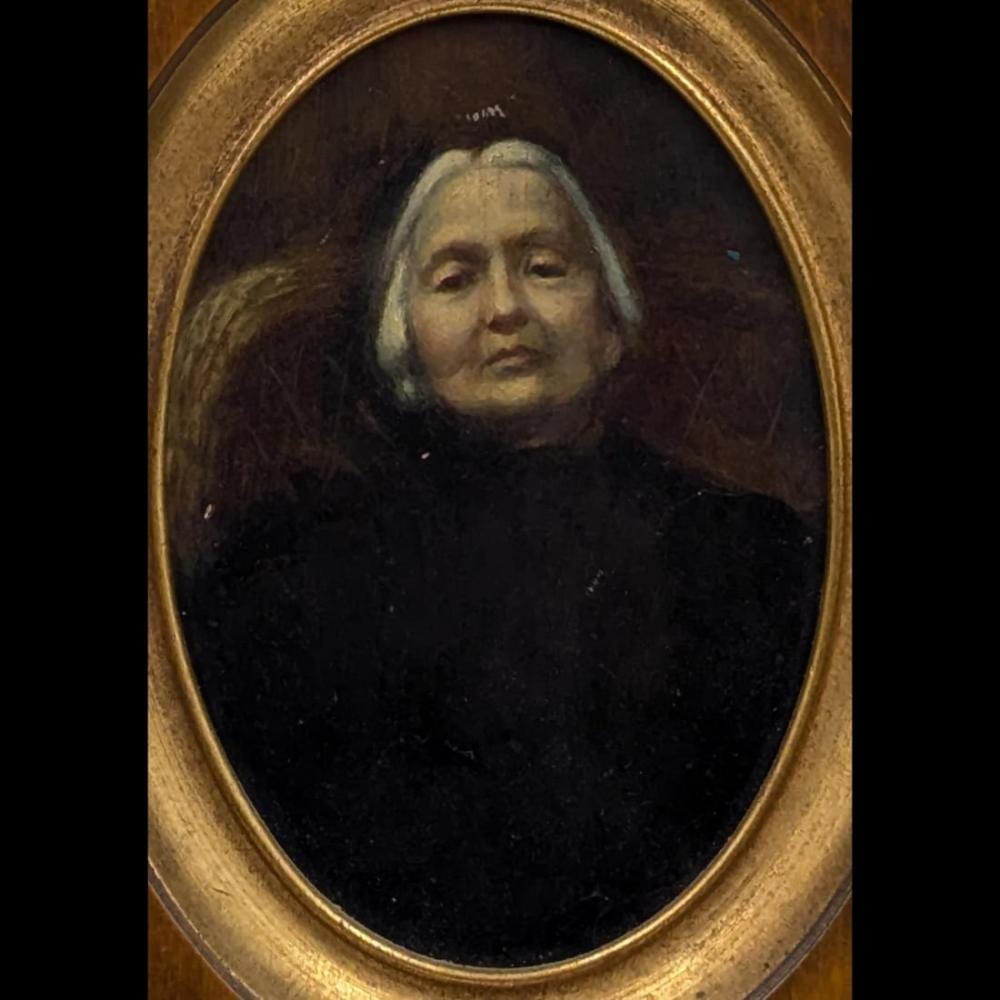 |
An Old Victorian Oil On Wood Portrait Painting | RB Fine Arts | 2025-03-01 | 26 | USD 50 |
How these auction records were verified
These sales are market context, not an object estimate.
Each row retains its exact source URL, lot identity, retrieval time, access result, and immutable record hash. Live source access was blocked; the exact record matched Appraisily's immutable pipeline provenance. Inspect the public comparable provenance record.
Free photo check
Not sure if your painting is worth appraising? Let us take a look.
Upload a photo, tell us what you know, and get a free first read. If a full appraisal makes sense, we will say so.
Free. No card needed. Takes about two minutes.
FAQ
Q: How can I tell if two portraits are true pendants or just similar works? A: Look beyond subject and size. True pendants typically have mirrored orientations (sitters facing each other), matching canvas/stretcher types, identical frame profiles with the same gilder’s label, and parallel inscriptions or numbering on the backs. Palette, lighting direction, and horizon lines also tend to match.
Q: Are miniatures on ivory a problem to collect or sell? A: They are authentic parts of Victorian portraiture, but ivory is sensitive to humidity and subject to regulatory restrictions in many jurisdictions. From a conservation perspective, maintain stable humidity and minimal handling. From a market perspective, ensure accurate dating and documentation of the object’s age and medium; be aware that shipping and sale rules may vary by location.
Q: Should I reframe a Victorian set if the frames are damaged? A: Original frames are integral to both aesthetics and value. In most cases, conservation—rebuilding compo, reattaching ornaments, regilding worn areas—beats replacement. If replacement is unavoidable for stability, document the originals and match the profile and finish across the set to preserve cohesion.
Q: What’s the best way to spot later overpaint, especially on faces? A: Use UV light to detect retouching; many modern retouches fluoresce differently than original paint. Raking light reveals texture inconsistencies—flat patches where impasto should be indicate overpaint. Pay attention to transitions around facial features and hands; these are common restoration targets. Compare craquelure: a discordant crack pattern over smooth areas can signal interventions.
Q: Do portraits painted from photographs have lower value? A: Not inherently. While they may lack the spontaneity of life sittings, many late-Victorian painted-from-photo portraits are exquisitely finished. Value hinges on artist, sitter identity, quality, and condition. Clear evidence of photographic derivation helps with dating and expectation-setting but doesn’t automatically depress value.
By applying a disciplined checklist—confirming set cohesion, triangulating date and attribution, reading materials and frames, and weighing condition and provenance—you can appraise a set of Victorian portrait paintings with confidence. Keep interventions minimal and coordinated across the group, and document every label, stamp, and inscription. Sets preserve stories; your task is to read them well and keep them intact.


